Discovering the Enduring Legacy of the Newlin Barn in Silk Hope, North Carolina
Our journey recently led us back to the tranquil, rolling landscapes of Silk Hope, North Carolina, a place deeply etched into my husband Randy’s family history. This corner of Chatham County is more than just a geographic location; it’s a living testament to generations of dedicated farmers. Randy’s family has tilled these very fields since the mid-1700s, a remarkable lineage that continued steadfastly until his father’s retirement just a few years ago. Visiting this ancestral land always evokes a profound sense of connection, not just to the family’s past but to the rich agricultural heritage that defines much of rural North Carolina. It’s a place where every winding road, every mature oak, and certainly every historic structure, tells a story of perseverance, hard work, and community spirit.
Among the many cherished sights and sounds that greet us upon our return, one structure consistently stands out, capturing both our admiration and imagination: a magnificent barn. This iconic building, constructed on the family farm in 1944, represents more than just a functional agricultural edifice; it symbolizes a bygone era of craftsmanship and enduring resilience. Nestled beside a gently winding country road, its imposing yet welcoming presence serves as a steadfast landmark, a silent witness to countless seasons of planting and harvest. It’s a place where the rhythmic clang of hay hooks against timber and the rustle of newly stacked bales once filled the air, marking the passage of time and the sustained efforts of those who worked the land.
The Distinctive Architecture of a Newlin Barn
In this particular region of North Carolina, barns of this unique architectural style are affectionately known as “Newlin barns.” This designation pays homage to the visionary master builder, Harvey Newlin, a Quaker whose roots were firmly planted in nearby Eli Whitney, NC. Harvey Newlin’s profound impact on the local landscape is undeniable, with his meticulously crafted structures dotting the countryside, each bearing his unmistakable stamp of quality and precision. His barns are not merely buildings; they are works of functional art, instantly recognizable for their robust construction and thoughtful design. My father-in-law often recounts stories of Harvey Newlin’s unparalleled genius, particularly his extraordinary ability to arrive on-site, survey the proposed location, and, by simply doing all the complex calculations in his head, provide an exact inventory of materials required – down to the very last nail – to bring a desired structure to life. Such anecdotes highlight not just Newlin’s mathematical prowess but also a deep, intuitive understanding of materials and structural integrity, a skill almost unheard of in modern construction.
The Newlin barn standing proudly on Randy’s family farm is a prime example of Harvey Newlin’s mastery, particularly evident in its remarkable symmetry. For me, this architectural characteristic is deeply appealing. There’s a certain inherent balance and aesthetic harmony in things that are evenly proportioned, and this barn delivers that in spades. Every beam, every window opening, and every angle seems to be placed with deliberate purpose, contributing to an overall sense of strength and visual stability. The careful alignment of its components speaks volumes about the builder’s commitment to not just functionality but also timeless beauty. This unwavering dedication to symmetry ensures that the barn feels grounded, harmonious, and enduring, a testament to a philosophy of construction where form and function were inextricably linked.
A Symphony of Textures, Tones, and Angles
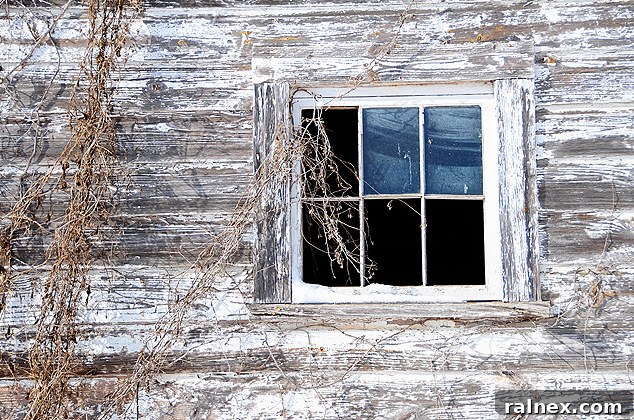
My admiration for this particular Newlin barn extends beyond its structural integrity and historical significance; it’s also a profound appreciation for its aesthetic qualities. I am captivated by the rich tapestry of textures that adorn its facade. The weathered wood, bleached by decades of sun and rain, tells a story of seasons past, each grain and knot a unique testament to its journey through time. The rustic rough-hewn timbers contrast beautifully with the smoother, aged planks, creating a tactile experience that invites closer inspection. These textures are not merely superficial; they are integral to the barn’s character, reflecting its honest, utilitarian origins and the natural materials from which it was so skillfully crafted. Each imperfection, each sign of age, only enhances its authenticity and charm.
Equally compelling are the muted, earthy tones that dominate its palette. The soft grays, browns, and occasional hints of faded red paint blend seamlessly with the natural surroundings, creating a harmonious visual experience. These tones shift subtly with the changing light, from the warm glow of dawn to the deep shadows of dusk, constantly revealing new nuances and depths. They speak of an era when buildings were constructed to integrate with the landscape, rather than dominate it, reflecting the practical and understated beauty of rural life. This understated elegance is a hallmark of Harvey Newlin’s work, ensuring his barns stand not as monuments to excess, but as respectful additions to the natural world.
Then there are the captivating angles. From the steep pitch of its roof, designed to shed heavy snow and rain, to the precise framing of its doors and windows, every angle contributes to its robust and purposeful form. These geometric lines intersect and diverge, creating a dynamic visual rhythm that guides the eye across its expansive surfaces. The interplay of light and shadow on these angles further accentuates its three-dimensional quality, giving the barn a sculptural presence. It’s an architectural marvel, demonstrating that even a utilitarian structure, when conceived with skill and vision, can embody profound aesthetic appeal. Harvey Newlin’s ability to weave together these elements – textures, tones, and angles – into such a cohesive and visually striking whole is a testament to his exceptional craftsmanship and artistic sensibility. His work serves as a powerful reminder of the beauty inherent in well-executed traditional building techniques, a style that prioritizes longevity and thoughtful design over fleeting trends.
Whispers of the Past: Memories and Enduring Strength
If this venerable Newlin barn could speak, I am certain it would recount a treasure trove of tales. Its wooden beams and dusty corners would whisper stories of generations of farmers, of the relentless rhythms of agricultural life, and of the countless moments of joy and toil experienced within its walls. It would speak of early mornings filled with the lowing of cattle and the clatter of machinery, of the sweet scent of freshly mown hay, and the camaraderie shared among family and neighbors working side-by-side. On the particular day of our recent visit, the air was crisp and bitterly cold, a stark contrast to the lively memories that Randy holds dear. He vividly recalls many sweltering summer days spent inside this very barn, the air thick with the smell of alfalfa and the dust of hay, as he and his brothers and cousins diligently loaded bale after heavy bale into its expansive loft. Those arduous tasks, however, were often punctuated by moments of pure childhood joy – spirited games of hide-and-seek played amidst the towering stacks of hay, echoing with laughter and youthful energy.
These shared experiences, woven into the very fabric of the barn, transformed it from a mere structure into a living repository of family history. It’s a place where labor and laughter mingled, where valuable life lessons were learned, and where the bonds of kinship were forged and strengthened through shared endeavor. This Newlin barn stands as a tangible link to a past where agricultural cycles dictated the rhythm of life, and community support was paramount. It symbolizes the resilience of the human spirit and the unwavering commitment to a way of life that, while physically demanding, was rich in purpose and connection.
More Than a Barn: A Work of Art, A Piece of History
One of the most striking characteristics of this barn, a testament to Harvey Newlin’s exceptional skills, is its undeniable solidity. Even after decades of standing against the elements, weathering countless storms and scorching summers, the structure remains remarkably robust and steadfast. Its foundations are firm, its timbers strong, and its overall presence exudes an unyielding strength that is a hallmark of true traditional craftsmanship. This enduring quality is a direct reflection of the materials used and the building techniques employed – methods focused on durability and longevity, ensuring that these structures would serve their purpose for generations to come. It’s a reminder that good design and honest construction can stand the test of time, far outlasting more ephemeral creations.
Today, while this magnificent Newlin barn continues to fulfill some of its original purpose, still providing shelter for a few hay bales, its significance transcends mere utility. For me, it has evolved into a profound work of art – a living sculpture carved from wood and time, embodying the spirit of a bygone era. It is simultaneously a tangible piece of history, preserving the stories of farming families and the legacy of a remarkable builder, Harvey Newlin. His barns are more than just agricultural buildings; they are architectural monuments to ingenuity, precision, and an unshakeable commitment to quality. Each joint, each plank, and each meticulously planned angle contribute to its profound historical and artistic value. Harvey Newlin’s creations stand as powerful symbols of North Carolina’s rich agricultural past and the timeless appeal of structures built with purpose, integrity, and an enduring vision.
Indeed, Harvey Newlin achieved something truly remarkable. His legacy lives on, etched in the enduring timbers and symmetrical lines of his barns. He built with such foresight and skill that his structures continue to inspire awe and tell stories, a testament to a craftsmanship that was not just good, but truly exceptional. His work reminds us that some things are built not just for a season, but for centuries, enriching the landscape and the human experience for generations.