Embracing the Upgrade: Navigating New Challenges with a New Camera and Beyond
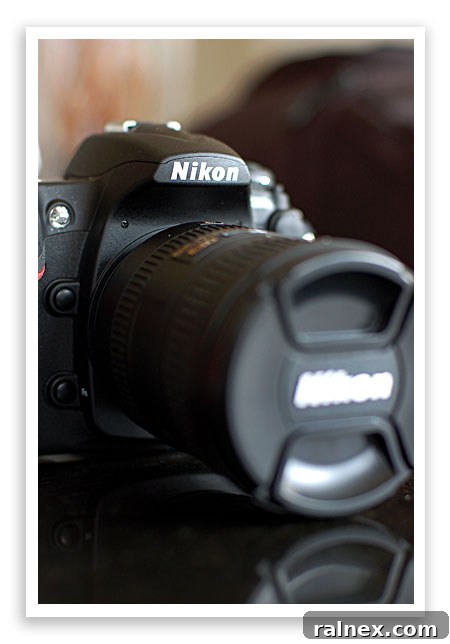
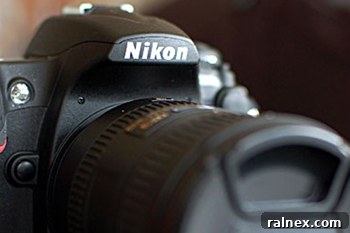
The anticipation had been building for weeks, even months. Like many enthusiasts passionate about their craft, I’d been dreaming of a significant upgrade to my photography gear. Finally, the day arrived yesterday – a brand new camera, sleek and sophisticated, full of promises for elevating my creative journey. This wasn’t just any purchase; it was a carefully considered investment, fueled by the vision of capturing breathtaking images and pushing my skills to new heights. An unexpected trip soon to be on the calendar sealed the deal; I knew I needed a cutting-edge camera to document those moments with unparalleled clarity and artistic flair.
The excitement was almost palpable. I envisioned myself as a photography superstar, effortlessly composing stunning shots, mastering light and shadow, and producing masterpieces that would awe and inspire. My head was filled with dreams of crisp landscapes, vibrant portraits, and dynamic street scenes, all rendered perfectly by my new, advanced equipment. The unboxing itself was a ritual, each component promising a leap forward in my capabilities. The gleaming lens, the ergonomic body, the array of new settings – it all felt like the dawn of a new era for my photography.
The Unexpected Discomfort of the Unfamiliar
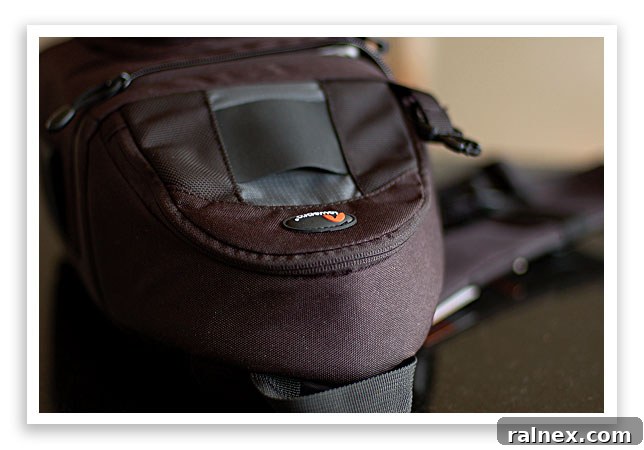
However, the reality that followed the initial euphoria was a stark contrast to my soaring expectations. After all the buildup, the dreams, and the significant financial investment, I found myself slouched in front of my computer screen, a growing sense of panic creeping in. Shot after shot appeared blurry, ill-composed, and utterly disappointing. This wasn’t the seamless transition I had imagined; it felt all wrong. The buttons and dials, once intuitively placed on my old camera, were now in unfamiliar locations, their functions a confusing puzzle. Even the new camera bag, a supposedly advanced slingshot style designed for quick access, felt cumbersome and awkward. I struggled to figure out how to properly secure it to my body, adding another layer of frustration to my burgeoning dismay.
In a moment of desperation and longing for the familiar, I made a telling move: I carefully detached the brand-new, cutting-edge lens I had been drooling over and replaced it with my trusty, old, handy-dandy 50mm prime lens. It was a small act of rebellion against the new, a plea for the comfort of the known. This wasn’t a reflection of ingratitude – my husband is incredibly generous, and I was genuinely thankful for the new camera. Instead, it was the sheer unfamiliarity, the disruption of my established routine, that truly threw me off balance. It was a rotten place to be, a confluence of disappointment and self-doubt that chipped away at my initial excitement.
Understanding Our Deep-Seated Need for Routine
Through this experience, I stumbled upon a profound realization about myself: I thrive on routine, I cherish the normal, and I find comfort in predictability. There’s a certain solace in knowing exactly where everything is, in being able to navigate my environment with effortless familiarity. It’s the simple pleasure of walking to the bathroom in the middle of the night without needing to switch on a light, trusting my muscle memory and ingrained habits. This preference for the established order isn’t just about convenience; it speaks to a deeper human need for control, for efficiency, and for minimizing cognitive load in our daily lives.
This new camera, with its myriad advanced features and redesigned interface, had thrown a significant wrench into my carefully constructed sense of normal. It wasn’t just a matter of learning a few new settings; it was an overhaul. I would have to dedicate time and mental energy to master all the “fangled stuff” it boasted – all the innovative functions, the intricate buttons, and the subtle dials that were supposedly designed to propel me to the next level of photographic excellence. This learning curve felt daunting, a mountain to climb when I had expected a gentle stroll. The very advancements I had longed for now felt like barriers, demanding a complete re-evaluation of my established methods and ingrained habits.
Confronting the Fear of Moving Forward
In the midst of my internal “freak out,” a deeper truth emerged, one that resonated far beyond the realm of photography. I realized I was afraid to move ahead. It wasn’t that I doubted my intelligence or my capacity to learn; after all, I had successfully mastered my previous camera over many years. This fear was more subtle, more insidious. It was a fear of pushing through the discomfort, of investing the effort required for genuine improvement. What if, despite all the advanced gear and dedicated practice, I didn’t actually improve? What if I remained stuck in the same photographic spot, never truly realizing the potential of this new equipment or, more critically, my own potential?
This fear of stagnation, paradoxically intertwined with a fear of the effort required for growth, became a significant roadblock. It’s a common human experience: the apprehension that accompanies any journey into the unknown, any challenge that demands us to step beyond our current capabilities. Left to my own devices, I probably would have succumbed to this apprehension. I might have retreated into the familiar, crawled under a metaphorical rock with my old camera, and called it a day, content with what I already knew and could comfortably achieve. The temptation to remain in that safe, predictable space was incredibly strong, promising an escape from the anxiety of learning and the possibility of failure.
Finding Inspiration to Push Beyond the Comfort Zone
But life, much like growth, often requires us to be pushed out of our comfort zones, propelling us onward whether we feel ready or not. Sometimes, that push comes from within, a quiet resolve. Other times, it’s an external nudge, a chance encounter, or an unexpected memory that sparks a new perspective. And sometimes, it arrives with a surprising sense of humor.
Just then, out of the blue, a peculiar memory surfaced, bringing with it the unmistakable voice of the legendary Ric Flair, the “Nature Boy” himself. It was a phrase etched into the annals of pop culture, a declaration of intent and challenge:
“To be the man, you’ve gotta beat the man … woooo! … you’ve gotta walk that aisle …”
Now, I’m certainly not “into fighting” or wrestling for that matter. Yet, in that moment of photographic frustration and self-doubt, Flair’s words resonated with an unexpected power. “Walking that aisle” wasn’t about physical combat; it was about stepping into the arena, confronting the challenge head-on, and committing to the process of becoming better. It was about facing the unfamiliar, the difficult, and the potentially intimidating, with a spirit of determination. It was the exact mental shift I needed, a clear call to action from an unlikely source.
Choosing Forward Motion: A Universal Lesson
Inspired by this unconventional wisdom, I made a resolute decision: I’m going to walk that aisle, and I’m going to do it with my new camera in tow. I will figure it out. I will meet this challenge not with dread, but with a commitment to learn and adapt. This experience, seemingly trivial in the grand scheme of life, offers a profound and universal lesson. It applies to so many areas of our existence: career transitions, learning new skills, personal development, or simply navigating unexpected changes. Do we choose to stay where we are, passing up invaluable opportunities for growth and self-discovery? Or do we boldly go for it, embracing the uncertainty and seeing where the journey leads us?
I choose moving forward. I choose to immerse myself in the manual, to experiment with the new settings, and to patiently practice until the unfamiliar becomes second nature. I know that next year, I’ll look back at this initial period of doubt and frustration, and I’ll laugh at myself for ever questioning my ability to adapt and improve. This isn’t just about mastering a camera; it’s about mastering the art of embracing change, of pushing past the discomfort of the unknown, and recognizing that true growth often lies just beyond the edges of our comfort zones. It’s a testament to resilience, a commitment to lifelong learning, and a belief in one’s own capacity for evolution.
So, what personal “fight” do you need to face? What challenging “aisle” are you hesitant to walk down? What unexpected circumstance has recently pushed you out of your familiar comfort zone?
Perhaps you’re just waiting for a subtle nudge to begin that journey?
See you later! I’ve got a camera manual to go read, and a new chapter in my photography journey to begin.