The Ultimate Guide to Steak au Poivre: A Gourmet Classic for Your Table
Indulge in a culinary masterpiece that has graced dinner tables for centuries – Steak au Poivre. This iconic French dish, renowned for its bold flavor profile and sophisticated presentation, is an experience not to be missed. Featuring perfectly seared beef enveloped in a rich, peppery Cognac cream sauce, it transforms any meal into a special occasion. Whether you’re celebrating an anniversary, hosting a dinner party, or simply seeking to elevate your weeknight dining, this gourmet steak recipe promises an unforgettable culinary journey. Prepare to impress your palate and your guests with this timeless classic.
What Makes Steak au Poivre So Special?
At its heart, Steak au Poivre translates literally to “pepper steak.” But this simple name belies the depth and complexity of flavors that define the dish. It’s a symphony of contrasts: the intense heat of freshly crushed black peppercorns meeting the tender succulence of premium beef, all harmonized by a decadent, velvety Cognac cream sauce. The magic happens in a hot skillet, where a beautiful crust forms on the steak, sealing in its juices, before the pan is deglazed to create the foundational sauce. This technique not only imparts incredible flavor but also creates an enticing aroma that fills your kitchen, promising a truly luxurious dining experience.
A Beloved Tradition: From Special Occasions to Everyday Indulgence
For many years, Steak au Poivre held a special place in our home, reserved for cherished occasions like Valentine’s Day. The anticipation of Randy preparing this exquisite meal was always a highlight. What started as an adult delicacy eventually captivated our children too, proving that truly great food transcends age. Today, its irresistible allure means it’s no longer confined to just a few times a year. It has become a cherished Friday night tradition, transforming a simple end to the week into a gourmet celebration. This adaptability highlights its versatility – it’s fancy enough for a grand feast, yet comforting enough for an elevated casual dinner.
Mastering the Art of Steak au Poivre: Essential Tips for Success
Learning to prepare Steak au Poivre was an adventure that began years ago, inspired by culinary giants like Alton Brown on his show “Good Eats.” From the very first sizzle and the intoxicating aroma that filled the kitchen, we knew we had discovered something truly extraordinary. Randy has since perfected his technique, and with a few straightforward tips, you too can achieve steakhouse-quality results right in your own home. The secret lies in understanding each component and executing them with care.
Choosing the Right Cut of Beef
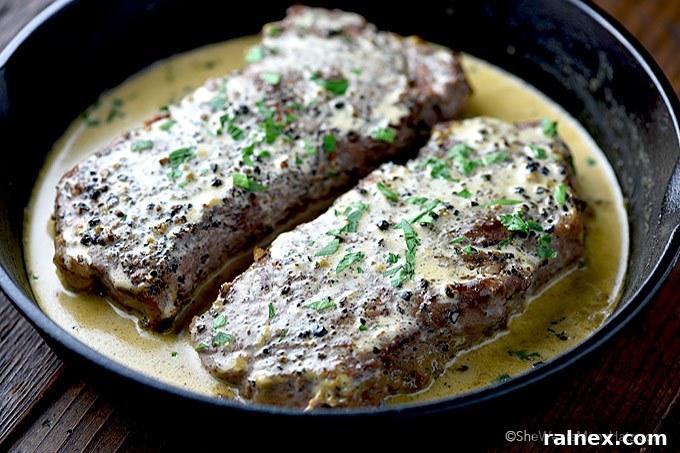
The foundation of an exceptional Steak au Poivre is, without a doubt, the beef. For unparalleled tenderness and flavor, we highly recommend using filet mignon (beef tenderloin). Its lean, melt-in-your-mouth texture is ideally suited for this dish. Alternatively, thick-cut New York Strip steaks, as elegantly showcased in our photographs, offer a wonderful balance of tenderness and robust beefy flavor. Whichever cut you choose, ensure it’s at least 1 1/2 inches thick for optimal searing and doneness control. Always trim any excess fat or gristle before cooking to ensure an even cook and a clean presentation.
The Power of the Peppercorn Crust
The “poivre” (pepper) is more than just a seasoning; it’s a defining characteristic of this dish. For an authentic and intensely flavorful crust, opt for whole black peppercorns and crush them just before use. A mortar and pestle is the ideal tool, allowing you to achieve varying textures from coarse shards to finer dust, maximizing the pepper’s aromatic compounds. If you don’t have one, a heavy, flat-bottomed glass or a rolling pin can work wonders. While a pepper mill on a coarse setting is an option, freshly crushed peppercorns provide a superior, more pungent flavor. Don’t be shy with the pepper; it might seem like a lot, but the creamy Cognac sauce beautifully balances its heat, creating a harmonious blend of spice, richness, and earthy notes.
The Magic of the Iron Skillet
A heavy-bottomed cast iron skillet is an indispensable tool for cooking Steak au Poivre. Its superior heat retention and even heat distribution are crucial for achieving that coveted deep, flavorful sear on the steak. An iron skillet also transitions seamlessly from stove top to oven (if needed for thicker cuts) and is perfect for building the rich pan sauce directly after cooking the steak. The fond (browned bits) left in the pan after searing are flavor gold, forming the base of your exquisite sauce.
The Indispensable Cognac
While some recipes might suggest non-alcoholic substitutes, we firmly believe that Cognac is non-negotiable for an authentic Steak au Poivre. The complexity of its flavor profile—notes of fruit, oak, and subtle spice—adds an unparalleled depth and warmth to the cream sauce that no substitute can truly replicate. During the cooking process, the alcohol evaporates, leaving behind only its magnificent essence. The flambé step, though optional for some, is a classic technique that concentrates these flavors and adds a dramatic touch to your culinary endeavor. Rest assured, the resulting sauce is truly divine.
Safety First: Cooking Outdoors
For those who prefer to minimize smoke and potential flambé flare-ups indoors, cooking Steak au Poivre on a side burner of a gas grill is an excellent option. This allows for good ventilation and can make the cooking process more comfortable, especially when dealing with the initial searing at high heat and the careful flambé step. Regardless of where you cook, always have a lid nearby to smother any flames if they become too large.
Achieving Perfect Doneness
Cooking steak to your preferred doneness is key. For a 1 1/2-inch thick steak, approximately 4 minutes per side typically yields a beautiful medium-rare result. However, steak thickness and stove variability mean that a reliable meat thermometer is your best friend. Aim for an internal temperature of 130-135°F (54-57°C) for medium-rare, remembering that the steak will continue to cook slightly as it rests. Adjust your cooking times accordingly to achieve your desired level of doneness, from rare to well-done.
Serving Suggestions for Steak au Poivre
Steak au Poivre is a rich and flavorful dish, so it pairs beautifully with sides that offer a contrast in texture or a fresh, vibrant element. A simple crisp side salad with a light vinaigrette provides a refreshing counterpoint to the creamy sauce. For vegetable accompaniments, consider Garlic Lemon Green Beans or Roasted Asparagus. The tender-crisp texture of these green vegetables, especially when coated with a hint of that peppery cream sauce, is simply divine. And for a truly indulgent meal, don’t overlook classic roasted potatoes or even a creamy potato gratin – their comforting starchiness perfectly complements the robust flavors of the steak and sauce. For wine pairings, a full-bodied red such as a Cabernet Sauvignon, Merlot, or a Rhone blend would be an excellent choice, as their tannins and fruit notes stand up well to the richness of the dish.
Steak au Poivre Recipe
Steak au Poivre Recipe
4 servings
30 minutes
20 minutes
50 minutes
Experience the classic French pepper steak, featuring tender beef seared to perfection and coated in a luxurious, creamy Cognac sauce.
Ingredients
- 4 thick-cut beef tenderloins or NY Strip steaks, 6-8 ounces each, about 1 1/2-inches thick
- Coarse salt, to taste
- 2 tablespoons whole black peppercorns, freshly crushed
- 1 tablespoon unsalted butter
- 1 teaspoon olive oil
- 1/3 cup Cognac
- 1 cup heavy cream
Instructions
- Prepare the Steaks: At least 30 minutes, and up to an hour before cooking, remove the steaks from the refrigerator to bring them closer to room temperature. This promotes more even cooking. Sprinkle all sides of the steaks generously with coarse salt. Just before cooking, pat the steaks thoroughly with a paper towel to remove any excess moisture – this is crucial for a good sear. Generously coat all sides of the steaks with the freshly crushed black pepper, pressing it firmly into the meat to create a robust crust.
- Sear the Steaks: Heat a large, heavy skillet (preferably cast iron) over medium-high heat. Add the butter and olive oil. Once the butter begins to foam and just starts to smoke, carefully place the seasoned steaks into the hot pan. For a medium-rare doneness, cook for approximately 4 minutes on each side. For other desired doneness levels, adjust cooking times accordingly, and use a meat thermometer to check internal temperature: 130-135°F (54-57°C) for medium-rare, 135-140°F (57-60°C) for medium. Once cooked, transfer the steaks to a plate and cover loosely with foil to rest while you prepare the sauce.
- Make the Cognac Cream Sauce: Turn the burner off (or reduce to very low). Carefully pour the Cognac into the hot frying pan. Stand back and carefully light the alcohol with a long lighter or match (be cautious of flare-ups). Gently shake and swirl the pan around until the flame burns out completely – this means the alcohol has cooked off, leaving behind its concentrated flavor. Turn the heat back on to medium. Whisk in the heavy cream. Continue whisking and bring the sauce to a gentle simmer. Cook, stirring or whisking frequently, until the sauce lightly thickens, which typically takes about 6-8 minutes. Taste and adjust seasoning with salt and pepper as needed.
- Finish and Serve: Turn off the heat. Return the rested steaks to the pan, flipping them gently to coat all sides with the rich Cognac cream sauce. Serve immediately, ensuring each steak is generously drizzled with the exquisite sauce. Enjoy your gourmet creation!
Notes
Recipe adapted with slight modifications from Alton Brown’s original Steak au Poivre. For the best flavor, use fresh, whole black peppercorns and crush them just before cooking.
Did you make this recipe?
We’d love to see your creation! Please leave a comment on the blog or share a photo on Facebook.
Originally published October 25, 2015, this timeless recipe continues to be a favorite in our kitchen and we hope it becomes one in yours too.