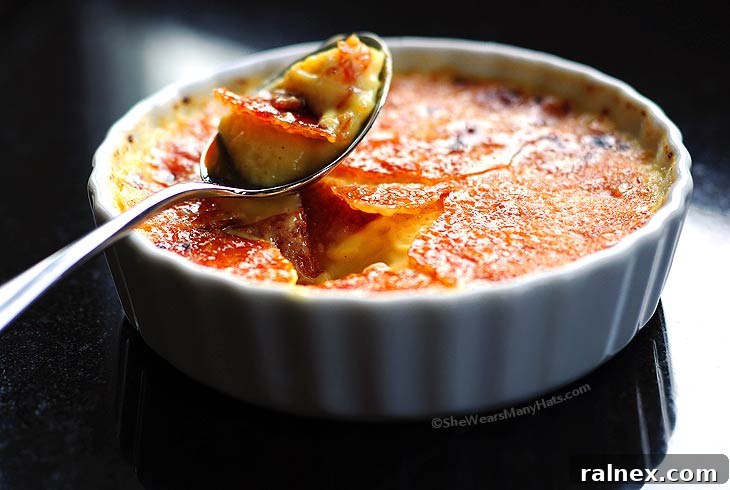
This Meyer Lemon Crème Brûlée recipe offers a delightful and refreshing twist on the beloved classic vanilla crème brûlée, infusing it with the bright, aromatic hints of fresh Meyer lemon.
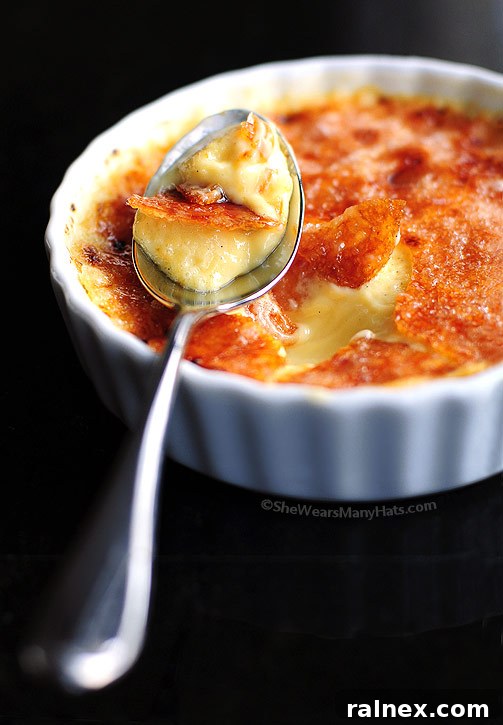
Exquisite Meyer Lemon Crème Brûlée: A Zesty Twist on a Classic Dessert
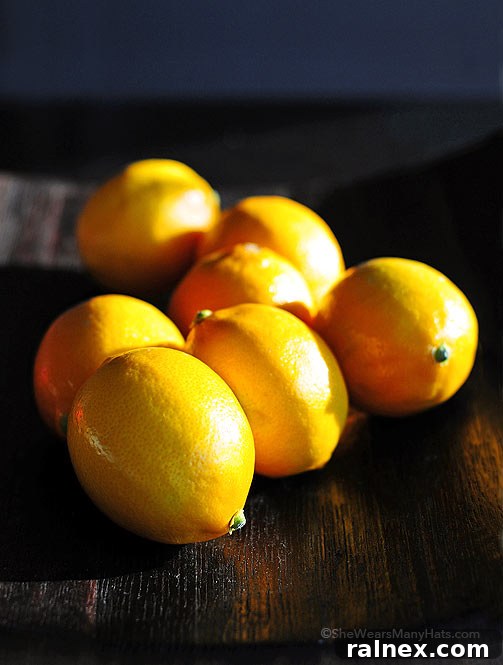
As the colder months arrive, there’s a distinct joy in discovering the cheerful presence of Meyer lemons at the grocery store. These radiant citrus fruits, with their sunny disposition, offer a much-needed reminder of brighter, warmer days amidst the bleak mid-winter. Their sudden appearance is always a welcome surprise, sparking inspiration for fresh and vibrant culinary creations.
It’s genuinely hard to resist the charm of Meyer lemons. I invariably find myself drawn to their unique fragrance and appealing hue, often buying several with ambitious plans for their use. They often become a bright focal point in my kitchen, serving as a subtle source of cheer. I confess to frequently pausing to take a deep whiff as I pass by, enjoying a small moment of natural aromatherapy that never fails to uplift my spirits.
The Irresistible Allure of Meyer Lemons
Meyer lemons are not your average lemons. They are a fascinating hybrid, thought to be a cross between a lemon and a mandarin orange, which grants them a distinctly milder, sweeter, and less acidic flavor profile compared to conventional lemons. Their thin, smooth rind possesses a delicate aroma that is intensely floral and subtly herbaceous, making them particularly well-suited for desserts where a gentler citrus note is desired.
This unique blend of sweetness and aromatic depth makes Meyer lemons an exceptional ingredient, especially in creamy dishes. While a classic vanilla crème brûlée is undeniably hard to surpass in its pure, comforting form, the subtle infusion of Meyer lemon zest elevates it to new heights. The lemon’s brightness cuts through the richness of the custard just enough to create a beautifully balanced flavor, without ever becoming overwhelming or overly tart, a common pitfall with many lemon-based desserts. It’s a sophisticated whisper of citrus that enhances rather than dominates, inviting a delightful sensory experience with every spoonful.
Crème Brûlée: An Elegant Dessert That’s Easier Than You Think
Despite its fancy French name and sophisticated restaurant presence, crème brûlée is surprisingly straightforward to prepare at home. Its allure lies in the enchanting contrast of textures: a rich, velvety smooth custard beneath a perfectly crisp, caramelized sugar crust. The satisfying “crack” as your spoon breaks through the golden-brown topping is a culinary moment that few desserts can rival, instantly signaling an indulgence.
Historically, the exact origins of crème brûlée are a subject of friendly debate, with variations like Spanish crema catalana and English Trinity cream staking similar claims. Regardless of its precise birthplace, crème brûlée has cemented its status as a timeless classic, beloved worldwide for its elegant simplicity and profound satisfaction. One of its most appealing attributes, especially for entertaining, is its remarkable make-ahead potential. The custards can be fully prepared and chilled in the refrigerator for up to three days, allowing you to manage your party preparations with ease. The exciting part, the “flaming” of the sugar – a spectacle my children particularly enjoy – can be done just before serving, transforming a simple custard into a show-stopping dessert. Whether for a grand celebration or a quiet, indulgent evening, crème brûlée proves to be the perfect choice.
Crafting the Perfect Meyer Lemon Crème Brûlée
Creating this Meyer Lemon Crème Brûlée is a delightful culinary journey that combines precision with the joy of baking. The result is a dessert that not only tastes exquisite but also looks incredibly impressive. Let’s delve into the components and process to ensure your success.
Essential Ingredients for a Flawless Custard
- Vanilla Bean or Paste: For the most authentic and deep vanilla flavor, a fresh vanilla bean, with its myriad tiny seeds, is unparalleled. Alternatively, a high-quality vanilla bean paste offers concentrated flavor and visible specks of vanilla, while pure vanilla extract is also a good option for a classic taste.
- Heavy Cream: The foundation of your crème brûlée. Heavy cream, with its high fat content, is essential for achieving the luxurious, smooth, and rich texture that defines this dessert. Do not substitute with lighter creams or milk, as they will compromise the consistency.
- Meyer Lemon Zest: The star ingredient for this specific variation. Ensure you use a fine grater or microplane to zest only the vibrant yellow outer layer of the lemon, carefully avoiding the bitter white pith underneath. The zest provides the beautiful aroma and subtle citrus notes.
- Large Egg Yolks: These are the key emulsifiers and thickeners, responsible for the custard’s silky-smooth set. Using large, fresh egg yolks will contribute to the custard’s structure and richness.
- Granulated Sugar: Used for sweetening the custard base. Its fine crystals dissolve easily, integrating seamlessly into the egg and cream mixture.
- Hot Water for Water Bath (Bain-Marie): Crucial for ensuring the custards bake gently and evenly, preventing them from curdling or cracking.
- Superfine Sugar (Caster Sugar) for Topping: The secret to that perfectly crisp, thin, and even caramelized crust. Superfine sugar melts more quickly and uniformly than regular granulated sugar. If caster sugar is hard to find, you can create a similar consistency by briefly pulsing granulated sugar in a food processor, taking care not to turn it into powdered sugar. Other sugars like turbinado or demerara can also be used, though they create a slightly thicker, chewier crust.
Meyer Lemon Crème Brûlée Recipe
Meyer Lemon Crème Brûlée Recipe
Yield: 6 servings
Prep Time: 30 minutes
Cook Time: 1 hour
Additional Time: 2 hours (minimum chilling)
Total Time: 3 hours 30 minutes
Experience the delightful blend of classic vanilla and bright Meyer lemon in this elegant, easy-to-make crème brûlée. Perfect for any occasion!
Ingredients
- 1 vanilla bean or 1 1/2 teaspoon good vanilla (Pure Vanilla Bean Paste is highly recommended)
- 2 1/2 cups heavy cream
- Zest from 2 Meyer lemons
- 7 large egg yolks
- 1/2 cup granulated sugar
- Hot water enough for water bath
- 6 tablespoons superfine sugar (caster sugar; granulated, turbinado or demerara will work too)
Instructions
- Prepare Oven and Ramekins: Preheat your oven to 325°F (160°C). Place 6 ramekins (each approximately 6 ounces) into a sturdy roasting pan, baking pan, or a rimmed baking sheet. This arrangement is essential for creating an effective water bath.
- Infuse the Cream Mixture: If you are using a vanilla bean, carefully slice it lengthwise and scrape out the aromatic seeds using a knife. In a medium saucepan, combine the vanilla bean and its seeds (or vanilla extract/paste), heavy cream, and the Meyer lemon zest. Gently warm this mixture over medium heat, stirring occasionally, just until a light foam begins to form around the edges of the pan and the mixture is steaming. Do not allow it to boil vigorously. Remove the saucepan from the heat, cover it, and let it steep for 10-15 minutes to allow the flavors to fully infuse.
- Whisk Yolks and Sugar, Then Strain: While the cream is infusing, in a separate large bowl, vigorously whisk together the egg yolks and the granulated sugar. Continue whisking until the mixture becomes visibly lighter in color, slightly thicker, and falls in a ribbon-like stream from the whisk. Once the cream has steeped, strain it through a fine-mesh sieve into a clean bowl to remove the vanilla bean pod and any large pieces of lemon zest, ensuring a perfectly smooth custard base.
- Temper the Custard Base: This is a critical step to prevent the eggs from scrambling. While continuously stirring the egg yolk and sugar mixture, very gradually and slowly pour the warm (but not scalding hot) strained cream into the egg mixture. Pour in a thin, steady stream, allowing the cream to gently raise the temperature of the eggs. Continue stirring until all the cream is fully incorporated and the custard base is smooth and well combined.
- Bake the Custards in a Water Bath: Carefully divide the prepared custard mixture evenly among the 6 ramekins. Gently transfer the baking pan, with the filled ramekins inside, into the preheated oven. Carefully pour enough hot water (from a kettle or hot tap) into the baking pan to reach halfway up the sides of the ramekins. This water bath (bain-marie) is crucial for ensuring the custards cook gently and evenly, preventing them from cracking or becoming rubbery. Bake for 35-45 minutes, or until the edges of the custard are set but the center still retains a slight, delicate jiggle when gently shaken.
- Chill and Caramelize: Once baked, carefully remove the baking pan from the oven. Let the ramekins cool in the water bath for approximately 15-20 minutes, then transfer them to a wire rack to cool completely to room temperature. Once cooled, cover each ramekin tightly with plastic wrap and refrigerate for a minimum of 2 hours, or ideally, up to 3 days for optimal setting and flavor development. When you are ready to serve, evenly spread about 1 tablespoon of superfine sugar over the top of each chilled custard. Using a kitchen torch, carefully melt the sugar, moving the flame constantly, until it turns a beautiful golden-brown and forms a hardened caramel crust. Allow the caramelized sugar to cool for a minute or two until it hardens and becomes brittle. Serve immediately and enjoy the satisfying crack!
Notes
This recipe is a slight adaptation of my go-to classic vanilla crème brûlée, with the wonderful addition of Meyer lemon zest. If you prefer a pure vanilla flavor, simply omit the Meyer lemon zest; no other changes to the recipe or cooking process will be necessary.
For the crispy caramelized topping, I’ve experimented with various sugars including demerara, regular granulated sugar, and caster (superfine) sugar. While all of these will work to some extent, I find that superfine (caster) sugar yields the best results. It melts more quickly and evenly, creating a consistently thin and crisp crust. If superfine sugar is difficult to source, a good alternative is to pulse regular granulated sugar a few times in a food processor. This will create a finer consistency, closer to caster sugar, but be careful not to over-process it into powdered sugar.
Achieving Crème Brûlée Perfection: Expert Tips and Tricks
While the recipe above provides clear steps, here are some additional insights and pro tips to ensure your Meyer Lemon Crème Brûlée turns out perfectly every time, rivaling those from a gourmet restaurant:
- Embrace High-Quality Ingredients: The simplicity of crème brûlée means that the quality of each ingredient profoundly impacts the final flavor. Opt for fresh, large egg yolks, rich heavy cream, and the finest vanilla you can procure. These foundational elements are truly the stars of the show.
- Don’t Rush the Infusion: Allowing the vanilla bean and Meyer lemon zest to steep in the warm cream for 10-15 minutes is not a suggestion but a crucial step. This gentle infusion extracts maximum flavor and aroma, enriching the custard base deeply.
- Master the Art of Tempering: The most common pitfall in custard making is scrambling the eggs. Tempering, the process of slowly introducing the warm cream to the egg yolks while continuously whisking, gradually raises the temperature of the eggs, preventing them from cooking too quickly. Patience here is key to a smooth, uncurdled custard.
- Strain for a Silky Smooth Texture: Even with perfect tempering, straining the custard mixture through a fine-mesh sieve is an essential step. This removes any small bits of cooked egg or zest, ensuring your final crème brûlée possesses that signature luxurious, impeccably smooth texture.
- The Non-Negotiable Water Bath (Bain-Marie): A water bath creates a moist, consistent, and gentle cooking environment for your custards. This prevents the edges from overcooking and becoming rubbery before the center is set, minimizes cracking, and promotes even cooking throughout. Never skip this step for crème brûlée.
- Avoid Overbaking: Crème brûlée is delicate. It’s done when the edges are set and firm, but the very center still has a slight, delicate jiggle. Remember, the custards will continue to set as they cool and chill. Overbaking can lead to a tough, grainy, or rubbery texture.
- Allow for Ample Chilling Time: Do not underestimate the importance of chilling. A minimum of 2 hours, and ideally up to 3 days, allows the custard to fully firm up, and more importantly, enables the flavors to meld and deepen. A properly chilled crème brûlée is both firmer in texture and richer in taste.
- Perfecting the Caramelized Top:
- Sugar Choice: As previously noted, superfine (caster) sugar is your best friend for a thin, even, and brittle crust. Its smaller crystals melt and caramelize more uniformly.
- The Kitchen Torch Advantage: A kitchen blow torch is the preferred tool for caramelizing crème brûlée. It offers superior control, allowing you to move the flame evenly across the sugar until it melts and transforms into a beautiful amber crust. Keep the torch moving to prevent burning.
- Broiler as an Alternative: If a torch isn’t available, your oven’s broiler can be used, but with extreme caution. Place the chilled custards on a baking sheet on the top rack, as close to the broiler element as possible. Watch them constantly, as sugar can burn in mere seconds. This method can also slightly warm the custard underneath, which is less ideal.
Beyond the Lemon: Exploring Delicious Crème Brûlée Variations
While this Meyer Lemon Crème Brûlée offers a sublime experience, the inherent versatility of crème brûlée means the possibilities for flavor innovation are vast. Once you master the basic technique, an exciting world of customization opens up:
- Classic Vanilla: The timeless original, achieved simply by omitting the lemon zest for a pure, comforting vanilla experience.
- Decadent Chocolate Crème Brûlée: Infuse your cream with high-quality dark chocolate, cocoa powder, or even chocolate liqueur for a rich and indulgent dessert.
- Sophisticated Coffee or Espresso Crème Brûlée: Add instant espresso powder or a shot of strong brewed coffee to the warm cream mixture for a wonderfully sophisticated, caffeinated kick.
- Aromatic Lavender Crème Brûlée: Gently infuse dried culinary lavender into the cream for a delicate, floral aroma and taste, perfectly suited for spring or summer gatherings.
- Warm Pumpkin or Spiced Crème Brûlée: A perfect autumnal treat, incorporating pumpkin puree and a blend of warm spices like cinnamon, nutmeg, ginger, and cloves.
- Fragrant Earl Grey Crème Brûlée: Steep Earl Grey tea bags in the warm cream to create a unique and subtly tea-infused dessert that’s both elegant and intriguing.
- Fruity Crème Brûlée Variations: Gently fold in a fruit puree, such as raspberry, mango, or passion fruit, into the cooled custard base before baking for a fresh and vibrant twist.
Don’t hesitate to experiment with different extracts, spices, liqueurs, or even citrus varieties to tailor your crème brûlée to your personal taste or the season. The framework of this elegant dessert provides a canvas for endless creativity!
Serving Your Elegant Dessert with Panache
The anticipation leading up to that first spoonful of crème brûlée is part of its charm. To truly appreciate its contrasting textures, serve your Meyer Lemon Crème Brûlée immediately after caramelizing the sugar. This ensures the topping is still wonderfully warm and brittle, offering that satisfying crack, while the custard underneath remains delightfully cool and creamy.
For an added touch of visual elegance and a hint of extra freshness, consider garnishing each ramekin with a very thin slice of Meyer lemon, a few fresh berries (such as raspberries or blueberries), or a delicate sprig of mint. This dessert pairs beautifully with a light, crisp dessert wine, a delicate herbal tea, or a freshly brewed cup of robust coffee. It’s more than just a dessert; it’s an experience – a harmonious symphony of textures and flavors designed to delight the senses with every exquisite spoonful.
More Scrumptious Dessert Recipes to Try:
- Homemade Baked Apple Hand Pies Recipe
- Holiday Pavlova Wreath Recipe
- Easy Blueberry Lemon Napoleon Dessert Recipe
- Nutty Oatmeal Cranberry Bars Recipe
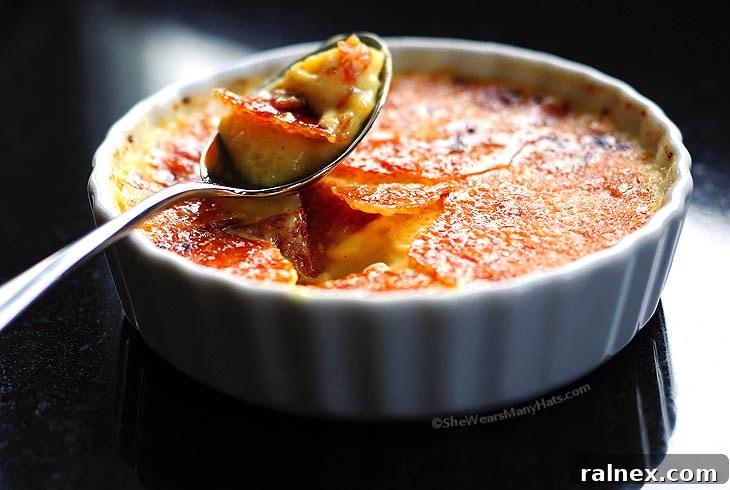
We sincerely hope you find immense joy in both crafting and savoring this exquisite Meyer Lemon Crème Brûlée. Its bright, sophisticated flavor profile is destined to become a cherished addition to your dessert repertoire. Do you have any beloved Meyer lemon recipes you frequently turn to, or perhaps a unique crème brûlée flavor that has captivated your palate? We would be delighted if you would share your culinary insights and creations in the comments section below!
Originally published January 18, 2012. This article has been comprehensively updated and expanded for enhanced content, improved readability, and additional expert tips to guide your dessert-making journey.