Unlock the secret to effortlessly creating perfect, fluffy homemade whipped cream with this simple yet essential recipe. Forget store-bought cans; once you experience the rich flavor and sublime texture of fresh whipped cream, you’ll never go back. This guide will show you just how easy it is to elevate all your favorite desserts and beverages with this classic, velvety topping.
The Irresistible Charm of Homemade Whipped Cream
There’s something truly magical about a dollop of fresh, billowy whipped cream. It transforms an ordinary dessert into an extraordinary indulgence, adding a layer of creamy decadence that’s simply unmatched. From adorning a vibrant strawberry shortcake to melting into a warm mug of hot cocoa, its versatility knows no bounds. Imagine fluffy pancakes drizzled with syrup and crowned with a cloud of whipped cream, or a bowl of fresh berries becoming a gourmet treat with this ethereal topping.
While often perceived as a delicate and tricky creation, making whipped cream at home is surprisingly straightforward. The key lies in understanding a few simple principles and paying close attention to the process. Many people shy away from making it from scratch, fearing the dreaded “bumpy stage” of over-whipping, but with the right guidance, you’ll achieve billowy perfection every time. This guide is designed to demystify the process, ensuring your homemade whipped cream is consistently light, airy, and utterly delicious.
Why Choose Homemade Over Store-Bought?
The difference between homemade and store-bought whipped cream is profound. Store-bought versions often contain stabilizers, artificial flavors, and sweeteners that can detract from the natural, pure taste of cream. When you make it yourself, you control every ingredient, allowing you to adjust sweetness levels, add natural flavorings like vanilla, and ensure a fresh, unadulterated product. The texture is also superior – homemade whipped cream is lighter, airier, and dissolves beautifully on the tongue, providing a richer, more satisfying mouthfeel that can’t be replicated by a can.
Mastering the Art of Perfect Whipped Cream: Essential Tips
Achieving consistently perfect whipped cream is less about culinary skill and more about adhering to a few fundamental techniques. These tips will help you avoid common pitfalls and ensure your whipped cream is always light, fluffy, and stable.
- Keep Everything Chilled: The Golden Rule. This is perhaps the most crucial tip for successful whipped cream. Cold cream whips better and holds its shape longer. Even more importantly, chilling your mixing bowl and whisk attachment for at least 15-20 minutes before you begin can make a significant difference. A stainless steel or glass bowl works best for chilling as they retain cold temperatures well. The cold environment helps the fat molecules in the cream emulsify more effectively, leading to a stable and voluminous whip.
- Choose the Right Cream: Heavy Whipping Cream is Your Best Friend. For the best results, always opt for heavy whipping cream, which contains a minimum of 36% milk fat. Regular whipping cream (around 30-35% fat) will also work but may result in a slightly less stable and voluminous whip. Avoid half-and-half or light cream, as their lower fat content makes them impossible to whip into stiff peaks.
- Understand Ultra-Pasteurized Cream. Many commercially available heavy creams are ultra-pasteurized, a process that extends shelf life. While convenient, this process can slightly alter the protein structure, making the cream a bit more challenging to whip to firm peaks. If using ultra-pasteurized cream, ensure it is exceptionally cold, and consider chilling your bowl and whisk for a longer period. It will still whip, but it might take a little extra time and patience.
- Sweetener and Flavoring: Personalize Your Whip. While granulated sugar is common, powdered sugar (confectioners’ sugar) can provide a smoother texture and dissolve more readily. Start with 2-3 tablespoons per cup of heavy cream and adjust to your taste. For flavoring, pure vanilla extract is classic, but don’t hesitate to experiment with almond extract, a touch of lemon zest, cinnamon, or even a liqueur for adult desserts. Add sweeteners and flavorings once the cream has started to thicken slightly, not at the very beginning.
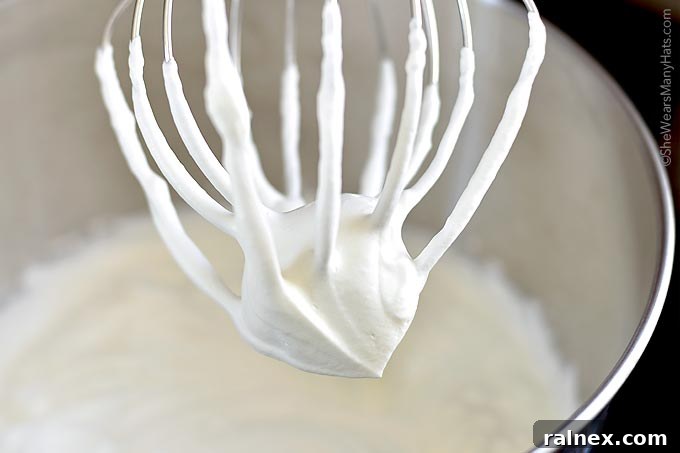
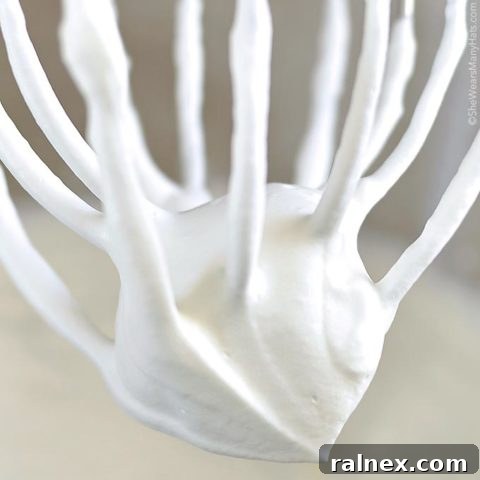
- Avoid Over-Whipping: Watch Like a Hawk. This is where many home cooks falter. Whipped cream transitions from liquid to soft peaks, then stiff peaks, and finally, to over-whipped (bumpy, curdled, and eventually butter) very quickly. The moment your cream forms soft peaks – where it holds its shape but the tip gently curls over – it’s often ready for many applications. For stiffer peaks (where it stands straight up), continue whipping for just a few more seconds. The key is to be watchful and stop your mixer as soon as the desired consistency is achieved. If you walk away, even for a moment, you risk going past perfection to the “bumpy” stage, which is difficult to reverse.
- Electric Mixer for Efficiency. While a hand whisk can be used for a small amount, an electric mixer (stand mixer with a whisk attachment or a hand mixer) significantly speeds up the process and ensures consistent results.
Delicious Pairings: What to Serve with Whipped Cream
Freshly whipped cream is a versatile companion, enhancing a vast array of sweet treats. Its light, airy texture and delicate sweetness complement nearly everything. Here are some ideas to inspire your culinary creations:
- Strawberry Egg Rolls: A surprising yet delightful pairing, the cool cream balances the warm, fruity filling.
- Classic Apple Pie: The iconic duo – warm, spiced apple pie with a generous dollop of melting whipped cream is pure comfort.
- Decadent Oreo Pancakes: Elevate your breakfast or brunch with a stack of these fun pancakes topped with whipped cream and perhaps some extra crushed Oreos.
- Sweet Blueberry Pie: The tartness of blueberries finds its perfect match in the creamy sweetness of whipped cream.
- Rich Chocolate Bundt Cake: A cloud of whipped cream provides a lovely contrast to the dense, intense flavor of a chocolate cake with espresso glaze.
- Fresh Berries: Strawberries, raspberries, blueberries, blackberries – any berry becomes a gourmet dessert with a spoonful of whipped cream.
- Hot Beverages: Top your hot chocolate, coffee, or even a spiced cider with a swirl of fresh cream.
- Waffles & French Toast: Turn any breakfast into a special occasion with a dollop of whipped cream alongside syrup and fruit.
- Fruit Tarts & Parfaits: Layer whipped cream with fresh fruit, granola, or cake pieces for an elegant dessert.
- Puddings & Custards: A simple vanilla pudding or chocolate mousse is instantly elevated with a light topping of cream.
Effortless Homemade Whipped Cream Recipe
Approximately 2 cups.
10 minutes
10 minutes
Fresh whipped cream is the quintessential topping for countless desserts and beverages. It’s incredibly quick, satisfyingly simple to make, and adds an undeniable touch of elegance and flavor that store-bought versions just can’t match. Elevate your culinary creations in mere minutes!
Ingredients
- 1 cup heavy whipping cream (ensure it’s very cold)
- 2-3 tablespoons granulated sugar or powdered sugar (optional, adjust to taste)
- 1/2 teaspoon pure vanilla extract (optional, for classic flavor)
Instructions
- Prepare Your Equipment: For best results, place your clean mixing bowl (preferably metal or glass) and whisk attachment in the freezer for 15-20 minutes to chill thoroughly. This step is crucial for achieving light and stable whipped cream.
- Begin Whipping the Cream: Pour the very cold heavy whipping cream into the chilled mixing bowl. Using an electric mixer (stand mixer with whisk attachment or a hand mixer), begin whisking the cream on a slow to medium speed. This initial slow speed helps prevent splatters and gradually incorporates air.
- Increase Speed and Add Flavorings: As the cream starts to thicken slightly and small bubbles appear, increase the mixer speed to medium-high. At this point, if you desire sweetened or flavored whipped cream, sprinkle in the granulated sugar (or powdered sugar) and add the vanilla extract (or any other flavorings like almond extract or citrus zest). Continue to whisk.
- Watch for Soft Peaks: Continue whisking until the cream begins to hold its shape. When you lift the whisk, the cream should form peaks that gently curl over at the tip. This is known as “soft peaks” and is perfect for many applications where you want a lighter, looser consistency.
- Achieve Stiff Peaks (If Desired): For a firmer, more stable whipped cream that holds its shape well (e.g., for piping or topping a tall cake), continue whisking for a few more seconds. Watch very carefully! Stop the mixer as soon as the peaks stand straight up when the whisk is lifted. This is the “stiff peaks” stage. Be vigilant to avoid over-whipping.
- Serve or Store: Your fresh, homemade whipped cream is now ready to serve immediately! If not using right away, cover the bowl tightly with plastic wrap and refrigerate for up to 24 hours. The cream may lose some of its volume upon sitting; you can gently whisk it by hand for a few seconds before serving to restore some of its fluffiness.
Share Your Creation!
Did you whip up this delightful cream? We’d love to see it! Please leave a comment on our blog or share a photo on Facebook and tag us!
Troubleshooting Common Whipped Cream Issues
Even with the best intentions, things can sometimes go awry. Here are solutions to common problems you might encounter while making whipped cream:
- “My Cream Won’t Whip!”
- Is it cold enough? This is the most common culprit. Ensure your cream, bowl, and whisk are all thoroughly chilled.
- Is it heavy whipping cream? Lower fat content creams (like light cream or half-and-half) simply won’t whip.
- Is it old? Cream that’s past its prime or too close to its expiration date might struggle to whip effectively.
- Ultra-pasteurized cream: As mentioned, this type of cream can be more stubborn. Give it extra chilling time and more patience.
- “I Over-Whipped My Cream!”
- Slightly over-whipped (bumpy but not separated): If it’s just a little lumpy, you might be able to salvage it. Gently whisk in a tablespoon or two of fresh, unwhipped heavy cream by hand until it smooths out.
- Severely over-whipped (separated into butter and buttermilk): Unfortunately, there’s no going back to whipped cream once it’s fully curdled. At this point, you’ve essentially made butter! You can drain the buttermilk and rinse the butter for use in baking or cooking.
Storing Homemade Whipped Cream
Freshly whipped cream is best enjoyed immediately for the ultimate texture and volume. However, if you have leftovers or need to prepare it slightly in advance, here’s how to store it:
- Refrigeration: Cover the bowl tightly with plastic wrap or transfer the whipped cream to an airtight container. Refrigerate for up to 24 hours. Beyond this, it tends to lose significant volume and become watery.
- Re-whipping (Gently!): If your refrigerated whipped cream has deflated a bit, you can gently whisk it by hand for about 10-15 seconds just before serving. Be careful not to over-whisk and turn it into butter! An electric mixer is too aggressive for this step.
- Freezing (Not Recommended for Texture): While you can technically freeze whipped cream, it will change its texture significantly upon thawing, becoming somewhat watery and grainy. For frozen applications like ice cream pies, it works, but for a fresh topping, it’s not ideal.
Embrace the simplicity and superior taste of homemade whipped cream. With these tips and the easy-to-follow recipe, you’re well on your way to adding a touch of fresh, creamy perfection to all your favorite treats. Enjoy the process, and savor every delightful spoonful!