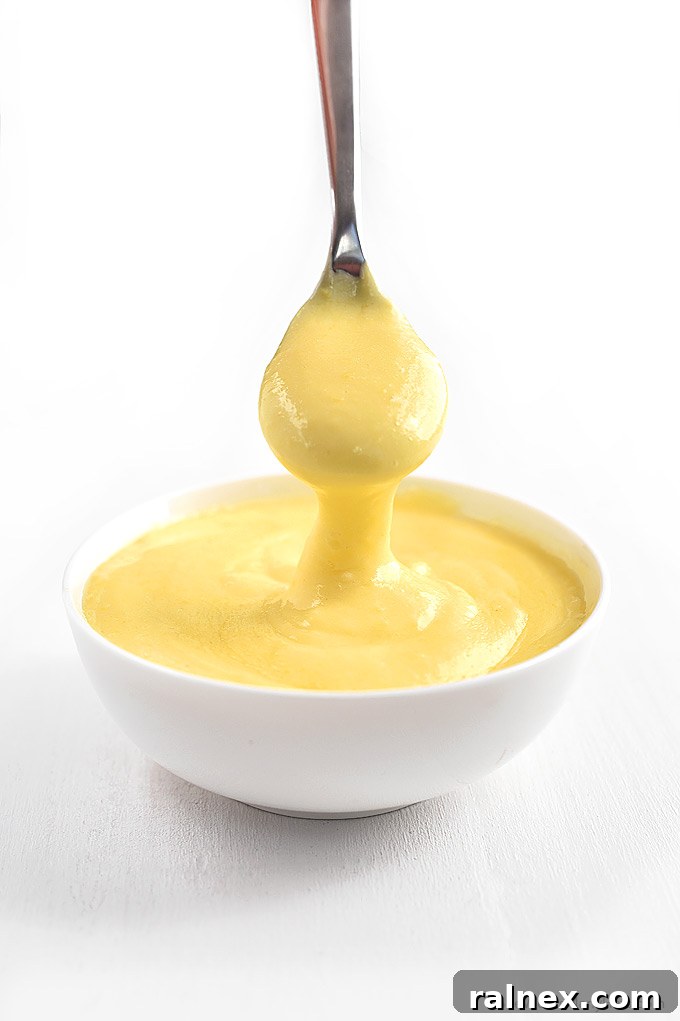
Unlock culinary magic with this timeless Hollandaise Sauce Recipe, a luxurious emulsified sauce that effortlessly transforms simple meals into gourmet experiences. Renowned for its silky texture and rich, tangy flavor, Hollandaise is the quintessential companion for classic Eggs Benedict, steamed asparagus, perfectly pan-seared salmon, tender chicken, and so much more.
I distinctly recall a radiant, crisp morning at an enchanting old Southern bed and breakfast nestled in the serene countryside of South Carolina. My husband and I, freshly married, settled into the elegant dining room for what promised to be a memorable breakfast. There was no menu, yet we were delighted by what appeared: perfectly poached Eggs Benedict, generously draped in fresh, luminous Hollandaise. It was an absolutely glorious and utterly delicious commencement to our new life together, a culinary embrace that perfectly mirrored the joyous occasion.
While Eggs Benedict swiftly became one of our perennial favorites, that first taste of Hollandaise left an indelible impression. It was pure perfection—creamy, vibrant, and incredibly flavorful. Many perceive Hollandaise Sauce as an intimidating, “fancy schmancy” creation, reserved for professional chefs or upscale restaurants. However, beneath its sophisticated reputation lies a remarkably simple truth: its magic stems from a handful of humble ingredients. All you need are clarified butter, fresh egg yolks, a squeeze of bright lemon juice, a touch of water, a pinch of salt, and a whisper of cayenne pepper. When prepared with a bit of care and attention, this exquisite sauce has the power to elevate even the most unassuming piece of toast into something truly spectacular.
What is Hollandaise Sauce? A Culinary Classic
Hollandaise sauce, often hailed as one of the five French mother sauces, is an emulsion of egg yolk and liquid clarified butter, seasoned with lemon juice, salt, and a dash of cayenne pepper. Its name, meaning “Dutch sauce,” might suggest a Dutch origin, but culinary historians generally agree it originated in France, potentially as a variation of a sauce from Normandy. The key to its luxurious texture lies in the delicate emulsification process, where tiny droplets of butter are suspended in the egg yolks, creating a stable, velvety mixture. This delicate balance of fat, acid, and protein results in a sauce that is simultaneously rich and bright, making it an ideal complement to a wide array of dishes.
Why Master Homemade Hollandaise?
While store-bought Hollandaise options exist, they rarely capture the vibrant freshness and unparalleled flavor of a homemade version. Crafting it yourself gives you complete control over the quality of ingredients, ensuring a sauce free from artificial additives and preservatives. Furthermore, the satisfaction of whisking together a few basic elements to create such an elegant and delicious condiment is immense. Once you’ve mastered the technique, you’ll find yourself eager to incorporate this versatile sauce into your weekly culinary repertoire, impressing family and friends with its gourmet appeal and your newfound skill.
The Essential Ingredients for Perfect Hollandaise Sauce
The beauty of Hollandaise lies in its simplicity. Each ingredient plays a crucial role in achieving that perfect balance of flavor and texture. High-quality, fresh ingredients are always recommended for the best results.
- Eggs: Specifically, the yolks are essential for the emulsion, providing richness and body. Use large, fresh eggs.
- Water: A small amount of cold water helps to create the initial creamy base with the egg yolks before adding the butter.
- Lemon Juice: Freshly squeezed lemon juice is paramount. It adds a crucial bright acidity that cuts through the richness of the butter, balancing the flavors and preventing the sauce from tasting too heavy.
- Clarified Butter: This is the heart of the Hollandaise. Clarified butter (ghee) is pure butterfat, with the milk solids and water removed. This purity is vital for creating a stable emulsion and preventing the sauce from breaking.
- Salt: Enhances all the flavors in the sauce. Start with a pinch and adjust to taste.
- Ground Cayenne Pepper: A small pinch adds a subtle warmth and depth without making the sauce spicy. It’s traditional and highly recommended.
Deep Dive: Understanding Clarified Butter
Clarified butter is a game-changer for Hollandaise. Regular butter contains water and milk solids, which can interfere with the emulsification process, making your sauce prone to breaking or having a grainy texture. Clarified butter, however, is pure butterfat. To make it, you simply melt butter over low heat. The milk solids will separate and sink to the bottom, while a foamy layer will form on top. Skim off the foam, then carefully pour the clear yellow fat (the clarified butter) into a separate bowl, leaving the milk solids behind. This extra step ensures a smoother, more stable, and more flavorful Hollandaise.
If you don’t have clarified butter on hand, it’s easy to make your own. Simply melt a stick of unsalted butter in a small saucepan over low heat. Let it simmer gently for about 5-10 minutes, without stirring, until the milk solids separate and fall to the bottom, and a clear golden liquid remains on top. Skim off any foam that rises to the surface, then carefully pour the clear butterfat into a heatproof measuring cup, leaving the white solids in the pan. You’ll want it warm, but not boiling hot, when you add it to your egg mixture.
Mastering the Art: How to Make Hollandaise Sauce Step-by-Step
Creating Hollandaise sauce might seem intimidating, but by following these detailed steps, you’ll achieve a rich, creamy, and perfectly emulsified sauce every time. The key is patience and consistent whisking.
- Set Up Your Double Boiler: Begin by creating a double boiler. Place a heat-proof stainless steel bowl over a pot of simmering (not boiling) water. Ensure the bottom of the bowl does not touch the water. This gentle, indirect heat is crucial for cooking the egg yolks without scrambling them.
- Whip the Egg Yolks: Into the stainless steel bowl, add the egg yolks, cold water, and lemon juice. Vigorously and continuously whisk this mixture. Whisking constantly helps to aerate the yolks and prevent them from cooking too quickly. Continue whisking until the mixture becomes significantly thicker, pale in color, and has nearly doubled in volume. This typically takes about 5-7 minutes. It should be thick enough to leave a ribbon trail when the whisk is lifted.
- Emulsify with Clarified Butter: Reduce the heat to low if necessary to maintain a gentle simmer in the pot below. While continuing to whisk vigorously, gradually drizzle in the warm clarified butter, a few drops at a time initially, then in a slow, steady stream. The constant whisking helps to incorporate the butter into the egg yolks, creating a stable emulsion. As you add the butter, the sauce will thicken further and double in volume again, taking on its characteristic rich, smooth consistency.
- Season and Finish: Once all the butter is incorporated and the sauce is thick and glossy, remove the bowl from the heat immediately. Season the Hollandaise with a pinch of salt and cayenne pepper, adjusting to your taste preference. If the sauce appears too thick, whisk in a teaspoon or two of warm water, one at a time, until your desired consistency is reached.
- Serve Warm: Hollandaise sauce is best served warm. Keep it in a warm (but not hot) spot, perhaps over a very low double boiler or in a thermos, until you are ready to serve. Do not reheat it vigorously, as this can cause it to break.
Tips for a Velvety Smooth Hollandaise Every Time
Achieving that perfect, silky Hollandaise is all about technique and a little patience. Here are some invaluable tips:
- Temperature Control is Key: The simmering water beneath your bowl should never boil vigorously. Gentle steam is what you need. Too much heat will scramble your eggs.
- Constant Whisking: From the moment the egg yolks hit the bowl, keep whisking! This aeration and movement prevent the yolks from cooking unevenly and help form a stable emulsion.
- Slow and Steady Butter Stream: When adding the clarified butter, start with a very slow, thin drizzle, almost drop by drop. Once the emulsion begins to form, you can increase to a thin, steady stream, but never pour it in all at once.
- Warm Ingredients: Ensure your clarified butter is warm (not hot!) when you add it. Cold butter will shock the emulsion and make it curdle.
- Trust Your Eyes: The sauce should visibly thicken and become glossy. If it seems too thin, you might need to whisk a little longer over the gentle heat.
Troubleshooting Common Hollandaise Issues
Even experienced cooks can encounter challenges with Hollandaise. Don’t despair if your sauce doesn’t turn out perfectly on the first try. Here’s how to fix common problems:
- Sauce Breaks/Curdles: This usually happens if the sauce gets too hot or if the butter is added too quickly. To fix it, remove the bowl from the heat. In a separate clean bowl, whisk an additional egg yolk with a teaspoon of cold water or a small ice cube. Slowly whisk the broken Hollandaise into this new yolk mixture, a tablespoon at a time, until it comes back together. Alternatively, add a teaspoon of hot water and whisk vigorously.
- Too Thick: If your Hollandaise becomes too thick, simply whisk in a teaspoon or two of warm water or additional lemon juice, a little at a time, until it reaches your desired consistency.
- Too Thin: If the sauce is too thin, it might not have been cooked long enough or hasn’t emulsified properly. Return it to the gentle heat of the double boiler and continue whisking vigorously. If it’s still not thickening, you can try whisking in a very small amount (half a teaspoon) of another fresh egg yolk over low heat, being careful not to overcook.
Beyond Eggs Benedict: Creative Ways to Serve Hollandaise
While Hollandaise is synonymous with Eggs Benedict, its versatility extends far beyond the breakfast table. This luxurious sauce can elevate almost any savory dish, adding a touch of elegance and exquisite flavor. Don’t limit yourself to tradition; explore these delightful serving suggestions:
- Classic Brunch Fare: Beyond Eggs Benedict, try it on other egg dishes like poached eggs on toast, scrambled eggs, or omelets. It’s also fantastic with savory crepes or even breakfast potatoes.
- Perfect with Vegetables: Hollandaise pairs beautifully with a variety of steamed, roasted, or grilled vegetables. Think asparagus (a classic pairing!), broccoli, green beans, artichokes, cauliflower, or Brussels sprouts. The creamy texture and tangy flavor complement the earthy notes of vegetables wonderfully.
- Enhancing Seafood: Elevate your seafood dishes! Drizzle Hollandaise over baked or grilled salmon, pan-seared cod, steamed shrimp, scallops, or crab cakes. The lemon and butter notes in the sauce naturally enhance the delicate flavors of fish and shellfish.
- Accompanying Meats: Don’t hesitate to serve Hollandaise with lighter meats. It’s surprisingly delicious with grilled chicken breast, pork tenderloin, or even a perfectly cooked steak. Consider it as an alternative to béarnaise sauce when you want a simpler, yet equally rich, complement.
- Potatoes and Grains: A dollop of Hollandaise can transform simple sides. Try it over roasted potatoes, mashed potatoes, baked potatoes, or even quinoa for an unexpected burst of flavor.
In essence, Hollandaise sauce is a condiment that truly speaks for itself. Its ability to add richness, tang, and a gourmet touch to almost any dish makes it an indispensable tool in the home cook’s arsenal. Once you start experimenting, you’ll find countless ways to enjoy this classic French creation.
Storing and Reheating Your Hollandaise Sauce
While Hollandaise is best enjoyed fresh, it can be prepared ahead of time and stored carefully. Proper storage and reheating are crucial to maintain its texture and ensure food safety.
Storage: If you have leftover Hollandaise, immediately transfer it to an airtight container and refrigerate it. It will keep well for 1 to 2 days. Due to the egg yolks, it’s best not to keep it much longer.
Reheating: Gently rewarming Hollandaise is key to preventing it from breaking. Never microwave it or reheat it directly over high heat. Instead, place the sauce in a heat-proof bowl over a pot of very gently simmering water (a double boiler setup). Whisk continuously and slowly add a teaspoon or two of warm water or lemon juice until the sauce regains its creamy, smooth consistency. Be patient and keep the heat very low to avoid scrambling the eggs.
I genuinely hope you cherish this comprehensive recipe for Hollandaise Sauce and find joy in creating this magnificent condiment. Don’t forget to connect with me on Pinterest, Instagram, or Facebook to share your culinary creations and let me know all the wonderful ways you choose to serve it!
Recipes to Elevate with Hollandaise Sauce
Discover other delightful recipes that pair perfectly with a luscious Hollandaise sauce.
Classic Eggs Benedict, crowned with homemade Hollandaise, offers an indulgent start to any day. Rise and shine with this gourmet breakfast!
Continue Reading
This effortless Roasted Asparagus is incredibly quick to prepare and serves as the perfect nutritious side dish for steak, chicken, fish, or pork.
Continue Reading
Roasted Broccoli, boasting delightful crispy browned edges and subtle hints of lemon and garlic, is an easy and delicious side dish ready in just 15 minutes.
Continue Reading
Classic Hollandaise Sauce Recipe
Hollandaise Sauce Recipe
Yield: 1 cup
Prep Time: 5 minutes
Cook Time: 15 minutes
Total Time: 20 minutes
A delicious classic sauce perfect for serving over many dishes like Eggs Benedict, asparagus, and salmon. Known for its rich flavor and velvety texture.
Average rating: 4.5 stars based on 53 reviews.
Ingredients
- 3 large egg yolks
- 1 1/2 tablespoons cold water
- 3 teaspoons fresh lemon juice
- 1/3 cup clarified butter, warm (see notes for making your own)
- Pinch of salt (to taste)
- Pinch of ground cayenne pepper (or red pepper flakes, to taste)
- Hot water, as needed (for thinning)
Instructions
- In a stainless steel bowl set over a pot of gently simmering water (creating a double boiler), vigorously and continuously whisk together the egg yolks, cold water, and lemon juice until the mixture thickens, becomes pale, and doubles in volume. Ensure the bottom of the bowl does not touch the simmering water.
- Continue whisking vigorously; gradually drizzle in the warm clarified butter in a slow, steady stream. The mixture should continue to thicken and double in volume again, becoming smooth and glossy as the emulsion forms.
- Remove the bowl from the heat immediately. Season the Hollandaise with salt and cayenne pepper to taste. Keep the sauce in a warm spot until ready to serve. If the sauce becomes too thick, whisk in a couple of teaspoons of warm water at a time until the desired, pourable consistency is reached.
Notes
Hollandaise sauce can be made up to 2 days ahead of time and refrigerated in an airtight container. To rewarm, gently place the container over a double boiler and whisk in a teaspoon or two of warm water until smooth and creamy. Avoid high heat to prevent breaking the emulsion.
Recommended Products
As an Amazon Associate and member of other affiliate programs, I earn from qualifying purchases.
- Stainless Steel Double Boiler Pot for Melting Chocolate, Candy and Candle Making (18/8 Steel, 2 Cup Capacity, 480ML)
- Winco Stainless Steel Piano Wire Whip, 10-Inch
Did you make this recipe?
Please leave a comment on the blog or share a photo on Facebook
Originally published April 28, 2015. Updated January 23, 2026.