The Ultimate Guide to Growing Chives: A Garden Essential for Flavor and Beauty
There’s a special charm about chives (Allium schoenoprasum) that often goes unnoticed amidst the more flamboyant herbs. Yet, these delightful little members of the onion family are truly the unsung heroes of the garden, bringing both culinary flair and surprising hardiness. With their slender, vibrant green stalks and delicate purple blossoms, chives exude an infectious cheerfulness, adding a touch of whimsy and elegance to any garden bed or container. They are the subtle, sophisticated cousin to green onions and scallions, offering a milder, more refined oniony flavor that elevates countless dishes without overpowering them. This comprehensive guide will equip you with all the knowledge you need to successfully grow, harvest, and enjoy chives, transforming them from an overlooked garnish into a beloved staple in your home garden and kitchen.
Why Chives Deserve a Prime Spot in Your Garden
While basil’s aroma might draw you in, and cilantro’s zest might grab your attention, chives quietly offer an array of benefits that make them indispensable for any gardener. Their ease of cultivation, versatility in the kitchen, and beneficial properties make them a top choice for both novice and experienced growers.
Culinary Delights Beyond the Garnish
Often relegated to a simple garnish for baked potatoes or sour cream, chives’ culinary potential extends far beyond that. Their fresh, delicate onion flavor is best preserved when added at the very end of cooking or used fresh, as prolonged heat tends to diminish their vibrant taste. Imagine the subtle crunch and savory zest they bring to scrambled eggs, omelets, or quiches. Elevate your potato salad, pasta salad, or even a simple green salad with a generous sprinkling of finely chopped chives. They are a fantastic addition to homemade salsas, creating a brighter, more complex profile. Stir them into vinaigrettes for a fresh kick, or blend them into compound butter to add a gourmet touch to grilled meats, fish, or crusty bread. Chicken salad, cream cheese spreads, and even light cream sauces are dramatically improved by their presence. For a truly delightful treat, try incorporating them into savory baked goods like Sour Cream Cheddar and Chives Drop Biscuits. The possibilities are truly endless once you start appreciating their unique contribution to flavor and texture.
Natural Pest Repellent and Companion Plant
Beyond their culinary appeal, chives offer a fantastic, eco-friendly benefit to your garden: they possess natural insect-repelling properties. This makes them an excellent companion plant. Planting chives near vulnerable plants can help deter common garden pests. For instance, growing them alongside roses is a time-honored trick to help prevent aphid infestations. Their pungent scent can also confuse and deter other unwelcome visitors like Japanese beetles, slugs, and even carrot rust flies. Integrating chives into your vegetable or flower beds is a simple, organic way to promote a healthier garden ecosystem, reducing the need for chemical pesticides and fostering biodiversity.
An Easy-Care Perennial for Every Gardener
One of the most appealing aspects of chives is their incredible dependability and low maintenance. As a hardy perennial, chives return year after year, providing a continuous supply of fresh herbs with minimal effort. They exhibit remarkable tolerance for most cold conditions, bouncing back reliably after winter frosts. They are also reasonably drought-tolerant once established, making them forgiving for gardeners who might occasionally forget to water. Their adaptability extends to various soil types, proving that you don’t need perfect conditions to grow a flourishing patch. Whether you have a spacious garden bed or a small balcony, chives can thrive, making them an ideal choice for beginners and seasoned gardeners alike.
Aesthetic Appeal in the Edible Landscape
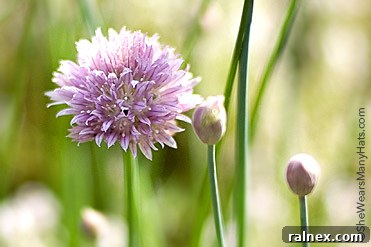
Beyond their utility, chives are also genuinely beautiful plants. Their upright, slender leaves create a lovely textural contrast in herb gardens, flower beds, or containers. In late spring or early summer, they produce charming spherical purple flowers that are not only edible but also attract beneficial pollinators like bees and butterflies. These delicate blooms can be harvested and used as a vibrant garnish, adding color and a mild oniony flavor to salads, soups, or even as a decorative element on a cheese board. Incorporating chives into your landscape design effortlessly merges functionality with beauty, enhancing the visual appeal of your outdoor space.
Getting Started: How to Grow Chives Successfully
Cultivating chives is straightforward, but understanding their basic needs will ensure a robust and productive plant. From selecting the perfect spot to preparing the soil, these foundational steps are crucial for success.
Choosing the Right Location: Sun Exposure
Chives are sun-loving plants, performing best when they receive at least 6 hours of direct sunlight per day. However, they are quite forgiving and will also thrive in partial shade, especially in warmer climates where the intense afternoon sun can be a bit too much. In regions with scorching summers, a spot that gets morning sun and afternoon shade is often ideal. When deciding on a location, consider both their sun requirements and their potential as a companion plant, placing them strategically near roses or other susceptible plants.
Soil Preparation is Key for Healthy Growth
While chives are adaptable to most soil types, they flourish in rich, well-drained soil with a slightly acidic to neutral pH (6.0-7.0). Good drainage is paramount, as chives dislike sitting in waterlogged soil, which can lead to root rot. Before planting, prepare your soil by incorporating a generous amount of organic matter, such as compost or well-rotted manure. This not only improves drainage but also enriches the soil, providing essential nutrients. If your soil is heavy clay, consider raising your garden bed or adding sand to improve its texture. A balanced, all-purpose slow-release fertilizer can also be mixed into the soil according to package directions, providing a good start for your plants.
Planting Chives: Seeds, Transplants, or Divisions
You can start chives in your garden using seeds, purchased young plants (transplants), or by dividing mature clumps from existing plants. Each method has its advantages:
- From Seed: Sow chive seeds in early spring, as soon as the soil temperature consistently reaches 60-70 degrees F (15-21 degrees C). Plant seeds about 1/4-inch deep and 1 inch apart in rows. Germination typically takes 7-14 days. Once seedlings emerge and are a few inches tall, thin them to about 4-6 inches apart to allow ample space for growth. Starting from seed is economical but requires a bit more patience.
- From Transplants: Purchased chive plants can be set out in early spring after the last frost date. Space them about 8-10 inches apart in your garden bed. This method offers a quicker path to harvest and is ideal if you want to establish a patch of chives quickly.
- From Divisions: If you or a friend already have mature chive plants, dividing them is an excellent way to propagate. Every few years, mature chive clumps benefit from division to maintain vigor. Gently dig up the entire clump, separate it into smaller sections, ensuring each section has roots and some foliage, and replant them 8-10 inches apart. This can be done in early spring or early fall.
Container Growing: Chives for Small Spaces
Chives are perfectly suited for container gardening, making them an excellent choice for patios, balconies, or even windowsills. Choose a pot that is at least 6-8 inches in diameter and has good drainage holes. Use a high-quality potting mix enriched with compost. Container-grown chives will require more frequent watering than those in the ground, as pots dry out more quickly. During winter, containers can often be brought indoors in colder climates, extending your harvest season.
Watering and Fertilizing for Optimal Growth
Consistent moisture is key for healthy chive growth, especially during dry spells and in warmer climates. Water regularly, ensuring the soil remains moist but not waterlogged. Allow the top inch of soil to dry out slightly between waterings. Overwatering can lead to root rot, so good drainage is crucial. Chives are not heavy feeders, particularly if grown in rich, compost-amended soil. A light application of a balanced liquid fertilizer every 4-6 weeks during the growing season can encourage lush foliage, but often, healthy soil and compost are sufficient.
Pest and Disease Management: Generally Trouble-Free
One of the joys of growing chives is their inherent resistance to most pests and diseases. Thanks to their natural pest-repelling qualities, they rarely suffer from severe infestations. Occasionally, you might encounter common garden pests like onion thrips or aphids, but these are usually minor issues. If pests become a problem, a strong spray of water or an application of insecticidal soap (following product instructions) can usually control them. Ensure good air circulation and avoid overhead watering in the evenings to minimize fungal issues like powdery mildew, though these are uncommon for chives.
Harvesting and Maintaining Your Chive Plants
Knowing when and how to harvest, along with basic maintenance, will ensure your chive plants remain productive and healthy for years.
When and How to Harvest Chives
You can begin harvesting chives once the plants are well-established and have several mature leaves, usually when they are about 6 inches tall. To harvest, use sharp scissors or kitchen shears to snip the leaves from the outer part of the clump, about half an inch to an inch above the soil line. This technique encourages new growth from the center of the plant. Harvest regularly to encourage continuous production and prevent the leaves from becoming tough. Avoid cutting more than two-thirds of the plant at once, allowing it to recover and continue growing.
Managing Flowers: Edible Blooms and Encouraging Leaf Growth
Chives produce beautiful purple flowers in late spring or early summer. These flowers are not only attractive but also edible, offering a milder onion flavor and a delightful texture. Pinch them off and sprinkle them over salads, soups, or as a garnish for a gourmet touch. If your primary goal is to encourage continuous leaf production, it’s best to pinch off the flower buds as they appear. This directs the plant’s energy into producing more foliage rather than setting seeds. If you allow the flowers to mature and set seed, chives will readily self-seed and multiply in your garden, which can be a charming way to expand your chive patch.
Dividing and Transplanting for Continued Vigor
As perennial plants, chives benefit from division every 3-4 years. Over time, the clumps can become dense, leading to reduced vigor and smaller leaf production. Dividing mature plants rejuvenates them and gives you new plants to share or expand your garden. The best time to divide is in early spring or early fall. Gently dig up the entire clump, shake off excess soil, and separate it into smaller sections using a sharp knife or spade, ensuring each section has a healthy root system and some foliage. Replant these divisions at the recommended spacing and water them well.
Winter Care for Hardy Perennials
Chives are incredibly hardy and tolerate cold temperatures well, typically dying back to the ground in winter and re-emerging vigorously in spring. In colder USDA Hardiness Zones (3-5), applying a layer of mulch, such as straw or shredded leaves, over the dormant plants can provide extra insulation and protection. For container-grown chives, moving them to a sheltered location or even indoors to a sunny window can extend the harvest season or protect them from extreme cold, though they do require a period of dormancy to thrive long-term.
Enjoying Your Chives: Culinary Inspiration
With a continuous supply of fresh chives from your garden, you’ll find countless ways to incorporate their distinctive flavor into your meals. Remember, their delicate taste is best enjoyed when fresh or added towards the end of cooking.
Beyond the classic potato and sour cream topping, consider finely chopping chives into scrambled eggs, omelets, frittatas, or quiches for a burst of fresh flavor. They are indispensable in homemade dressings and vinaigrettes, lending a bright, herbaceous note. Mix them into cream cheese or butter for a delectable spread for bagels or toast. Add them to potato salads, pasta salads, or coleslaw for a fresh, oniony kick. Chives also pair wonderfully with seafood, chicken, and even roasted vegetables. Sprinkle them over grilled fish, mix them into chicken salad, or fold them into a light cream sauce for pasta. Don’t forget their simple elegance as a garnish for almost any soup, stew, or savory dish. To preserve excess chives, you can finely chop them and freeze them in ice cube trays with a little water or olive oil, making them ready to use throughout the year. While drying them is possible, fresh or frozen chives retain their flavor much better.
Cultivating Joy with Chives
Embracing chives in your garden means welcoming a plant that offers endless rewards. From their cheerful appearance to their culinary versatility and beneficial garden properties, these resilient herbs truly earn their place as a garden essential. They are a testament to the fact that sometimes, the simplest pleasures bring the greatest satisfaction. Plant some chives today, and soon you’ll understand why these humble little greens inspire such appreciation and culinary creativity. They promise not to disappoint, adorning your garden with beauty and your dishes with flavor.
What are your favorite ways to use fresh chives? Do you have any unique tips for growing or harvesting them? Share your experiences in the comments below!
Originally published April 27, 2010. Last updated: [Current Date].