Venice’s Enduring Allure: A Dream Threatened, A Legacy to Preserve
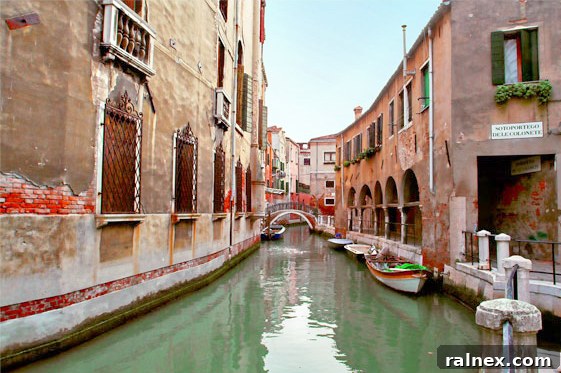
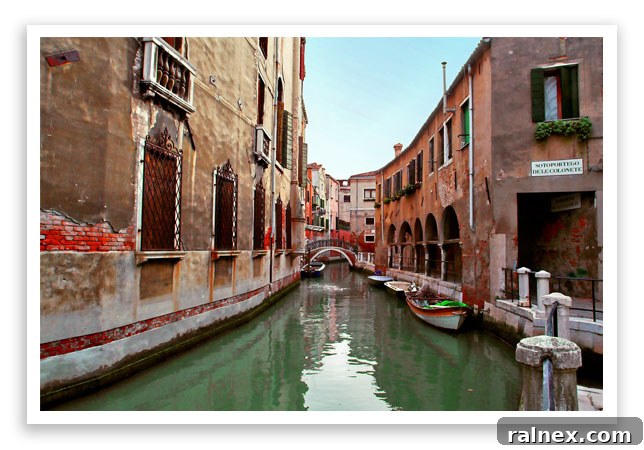
Venice. The very name evokes images of winding canals, gondolas gliding silently, ancient palazzi reflecting in shimmering waters, and bridges connecting a labyrinth of history. For many, including myself, this enchanting city and the broader tapestry of Italy represent a lifelong dream. It’s a destination steeped in unparalleled history, breathtaking art, ingenious architecture, and, of course, absolutely fabulous food. The entire Italian peninsula beckons, promising endless exploration and unforgettable experiences.
You can imagine my profound surprise, then, when a recent outing brought me face-to-face with a startling headline on the cover of National Geographic: “Can Venice Be Saved?” My immediate reaction was a mix of shock and concern. “What? I didn’t realize Venice needed saving! Please, Venice, hold on until I get there!” While I vaguely recalled whispers of the city’s troubles a few years back, I hadn’t grasped the gravity of the situation. This encounter spurred me to delve deeper, to understand the true plight of this magnificent floating city. Here’s what I uncovered about the challenges facing Venice today.
The Perilous Beauty: Understanding Venice’s Challenges
Venice, a UNESCO World Heritage site, is renowned globally for its unique architectural and artistic heritage. However, this incomparable beauty is constantly battling formidable environmental and societal pressures that threaten its very existence. The city’s survival hinges on a delicate balance, and understanding these challenges is crucial for anyone who cherishes its legacy.
The Threat of Sinking and Acqua Alta
Historically, Venice has always been a city at the mercy of the tides, but the challenges have intensified significantly. During the 20th century, the city experienced substantial subsidence, primarily due to the extraction of groundwater from artesian wells on the mainland. This practice, now banned since the 1960s, led to a rapid sinking of the city. While the rate of sinking has thankfully slowed since the ban, Venice continues to settle, albeit at a much slower pace. Compounding this natural phenomenon is the increasing frequency and severity of acqua alta, or “high water” events. These low-level floods, exacerbated by rising sea levels due to climate change, threaten to submerge large parts of the city, encroaching upon public spaces, damaging historic buildings, and disrupting daily life for residents and visitors alike. What was once a seasonal inconvenience is rapidly becoming a persistent existential threat, demanding urgent, innovative solutions.
The MOSE Project: A Hope for Resilience
In response to the escalating threat of acqua alta, Italy embarked on one of the most ambitious engineering projects in its history: the MOSE (Modulo Sperimentale Elettromeccanico) barrier system. This monumental undertaking involves a series of 78 mobile gates installed at the three inlets of the Venetian Lagoon. When high tides are predicted, these gates can be raised, temporarily sealing off the lagoon from the Adriatic Sea, thus protecting Venice and its surrounding islands from flooding. The project, initiated decades ago and plagued by delays and controversies, has recently become operational, offering a potential lifeline to the city. While still undergoing testing and facing criticism regarding its cost, environmental impact, and effectiveness, MOSE represents a significant effort to safeguard Venice’s future against the relentless rise of the sea. Its success is vital for preserving the city’s unique heritage for generations to come.
Over-tourism: A Double-Edged Sword
Beyond the environmental perils, Venice grapples with another formidable challenge: the sheer volume of tourists it attracts. While tourism is an economic lifeblood for the city, its uncontrolled growth, often termed “over-tourism,” places immense strain on Venice’s fragile infrastructure and the quality of life for its dwindling local population. Millions of visitors annually converge on the city’s narrow streets, bridges, and waterways, overwhelming public transportation, generating excessive waste, and contributing to the erosion of its authentic character. This influx drives up living costs, making it increasingly difficult for Venetians to afford to live in their ancestral homes, leading to a steady exodus of residents. The delicate balance between welcoming visitors and preserving the city’s unique social fabric and environment is a constant struggle. As Massimo Cacciari, Venice’s former Mayor, famously stated, “Beauty is difficult.” This sentiment perfectly encapsulates the monumental task of maintaining Venice’s iconic charm while navigating its myriad challenges.
Seeking Authentic Venice: A Traveler’s Guide
Given these profound challenges, my desire to visit Venice is stronger than ever, but not merely as a fleeting tourist. I yearn to experience the true, original Venice before it succumbs to over-commercialization. My ideal journey would involve immersing myself in the local culture, living among the people, understanding their daily lives, learning the deep-seated history, appreciating the nuanced art and architecture, and savoring the authentic local cuisine. But how does one achieve such an experience in a city so heavily trafficked by tourists?
Beyond the Crowds: Embracing Slow Travel
To truly experience Venice, one must move beyond the well-trodden paths. This means embracing the philosophy of “slow travel.” Instead of rushing through the main attractions, consider spending several days, or even weeks, allowing yourself to wander aimlessly through lesser-known sestieri (districts) like Cannaregio, Castello, or Dorsoduro. Staying in a local apartment rather than a hotel can provide a more genuine sense of daily life. Wake up early to witness the city come alive before the crowds descend, or linger late into the evening when the lamplit canals reveal a more intimate Venice. Engage with local shopkeepers, dine at small, family-run osterias away from St. Mark’s Square, and explore the smaller churches and museums that offer profound insights without the throngs of people. Learning a few basic Italian phrases can open doors to richer interactions, transforming a simple visit into a cultural exchange. Supporting local artisans and businesses directly contributes to the city’s sustainability and helps preserve its unique character. By making conscious choices, travelers can play a vital role in supporting the authentic spirit of Venice.
Unveiling Venice’s Rich Tapestry: History, Culture, and Legends
Venice’s allure isn’t just in its present beauty; it’s profoundly rooted in its extraordinary past, a history filled with fascinating tales, ingenious feats, and enduring legacies. Exploring these historical facets adds immeasurable depth to any visit.
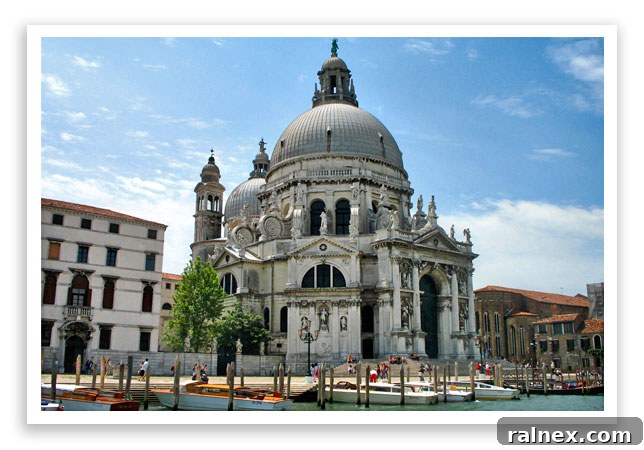
- The Legend of St. Mark’s Relics: One of Venice’s most intriguing tales dates back to approximately 828 A.D. (though dates can vary slightly). Venetian merchants are said to have daringly stolen the remains of Saint Mark the Evangelist from Alexandria, Egypt, and brought them to Venice. This audacious act was driven by a desire to elevate Venice’s religious and political stature, aiming to position it as a spiritual center second only to Rome. Legend has it that to deter Muslim guards from inspecting the precious cargo, the merchants cleverly concealed the relics beneath layers of pork. While an amusing anecdote, it underscores the fervent belief and ambition that shaped early Venice, culminating in the magnificent St. Mark’s Basilica, which now enshrines these revered relics and stands as a symbol of Venetian power and faith.
- Architectural Marvel: Foundations on Water: The very existence of Venice is a testament to extraordinary human ingenuity. The city’s majestic buildings are not merely floating; they are meticulously constructed upon millions of wooden piles, driven deep into the soft, muddy lagoon floor. These close-set, ancient wooden foundations, primarily made of sturdy alder, have remained submerged in oxygen-deprived saltwater for centuries. Far from decaying, this constant immersion has led to a process of petrification, transforming the wood into a rock-hard, stable foundation that has supported the city’s palaces, churches, and homes for over a millennium. It’s an engineering marvel that continues to awe, a silent testament to the resourcefulness of its early builders.
- The Origin of the Word ‘Ghetto’: Venice holds a significant, albeit somber, place in history as the origin of the term “ghetto.” In the 16th century, specifically 1516, the Venetian Republic mandated that all Jews residing in the city were to live in a confined area within the Cannaregio district. This segregated quarter, originally the site of an old foundry (ghetto in Venetian dialect referred to foundry slag), became known as the Venetian Ghetto. This enforced segregation marked the beginning of similar quarters across Europe, making Venice the birthplace of a term that would tragically define the forced isolation of Jewish communities for centuries. Today, the Venetian Ghetto remains a poignant historical site, offering a window into a complex past and a vibrant cultural heritage.
A Taste of Italy: The 4 “O”s That Call Me to Venice
Beyond its historical depth and architectural grandeur, Italy, and Venice in particular, appeals to the senses in myriad ways. My personal “4 O’s” represent just a few of the irresistible draws that beckon me to this incredible destination.
1. Gelato: A Sweet Indulgence
No trip to Italy, especially Venice, is complete without indulging in gelato. More than just ice cream, gelato is an art form. Its denser texture, lower fat content, and intense flavors—ranging from classic pistachio and hazelnut to seasonal fruit sorbettos—offer a culinary experience that is simply unparalleled. Strolling along a Venetian canal with a cone of creamy gelato in hand is a simple pleasure, yet it encapsulates the essence of Italian dolce vita. The vibrant colors and tempting displays of countless gelaterias are an invitation to savor every moment.

2. Risotto: Culinary Comfort
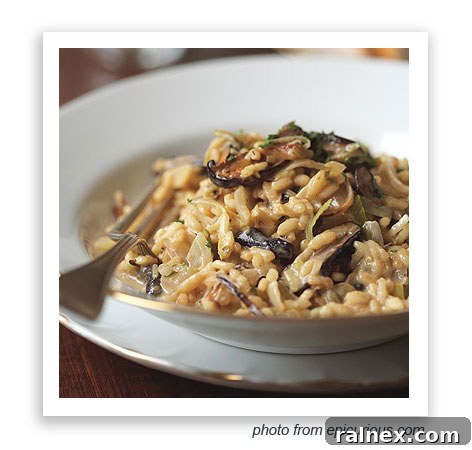
While pasta often takes center stage in Italian cuisine, risotto holds a special place, particularly in Northern Italy where Venice is located. This creamy, Arborio rice dish, cooked slowly with broth until it reaches a velvety, al dente consistency, is a masterpiece of comfort food. Venetian risotto often features fresh seafood from the lagoon, like squid ink risotto (risotto al nero di seppia), or seasonal vegetables. Each spoonful is a symphony of flavors and textures, a testament to the Italian philosophy of taking simple, high-quality ingredients and transforming them into something extraordinary. Experiencing authentic risotto in a cozy Venetian trattoria is a culinary journey in itself.
3. Murano Glass: Artistry in Every Piece
My fascination with Murano glass stems from a deeply personal connection—a millefiori necklace I wear often, a constant reminder of its incredible origin. Murano, a small island in the Venetian Lagoon, has been the epicenter of world-renowned glassmaking for centuries. The term “millefiori” literally translates to “a thousand flowers” (mille meaning thousand, fiori meaning flowers), referring to the intricate patterns created by fusing various colored glass canes. The skill and artistry of Murano’s master glassmakers are unparalleled, producing everything from delicate jewelry to monumental chandeliers. A visit to Murano offers a glimpse into this ancient craft, allowing one to witness the mesmerizing transformation of molten glass into dazzling works of art. Owning a piece of Murano glass is not just acquiring a souvenir; it’s holding a fragment of Venetian history and artistry.

4. Photography: Capturing Timeless Moments
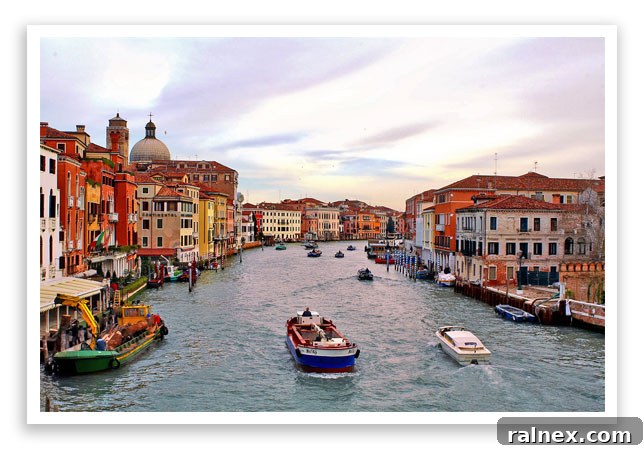
Finally, Venice is a photographer’s paradise. Every turn of a canal, every ornate bridge, every sun-dappled piazza presents an irresistible photo opportunity. The unique quality of light, the reflections on the water, the vibrant colors of buildings, and the timeless elegance of gondolas create an ever-changing tableau. From grand architectural shots of St. Mark’s Square and the Doge’s Palace to candid moments of local life in a quiet alley, Venice offers endless inspiration. Capturing these moments isn’t just about taking pictures; it’s about preserving memories, freezing the fleeting beauty of a city that feels both ancient and eternally vibrant. These images become cherished keepsakes, allowing us to relive the magic and share the wonder of Venice long after our journey concludes.
The Future of Venice: A Call to Responsible Exploration
As I reflect on Venice’s struggles and its undeniable charm, my plea remains the same: hold on, Venice, please wait for me. I’ll get there as soon as I can. But my visit will be one of profound respect and conscious effort. It’s imperative that travelers recognize their role in the city’s future. Choosing sustainable practices, seeking authentic experiences that support local communities, and being mindful of the city’s delicate ecosystem are no longer options, but necessities. Venice is a living museum, a testament to human resilience and artistic achievement. Let us strive to be visitors who contribute to its preservation, ensuring that its unparalleled beauty can be marveled at by generations to come.
Join the Conversation: Your Thoughts on Authentic Travel
How do you approach travel to ensure a truly authentic experience, especially in destinations grappling with the pressures of tourism? I’d love to hear your ideas and strategies for experiencing the “real” Venice, or any place for that matter. Share your insights and help foster a community of responsible and immersive travelers.
(Please note: The photos of Venice used in this article were not taken by me, as I have not yet had the privilege of visiting. They are sourced from morguefile.com. The delicious risotto photo is courtesy of epicurious.com.)